Iran War and Inflation Shape 2026 Midterm Vote
Voters face a choice between controlling the House or Senate, with the unpopular conflict in Iran and high prices driving turnout on Election Day.
By Amina Howard ·
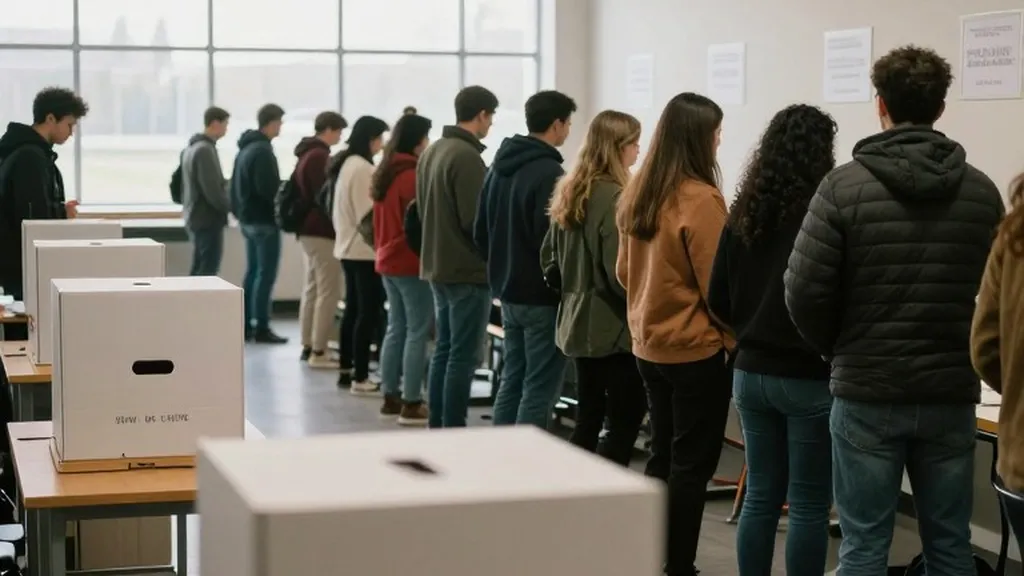
Election Day has arrived with the outcome of the war with Iran becoming a central issue for voters across the country. The Associated Press describes the current climate as one where citizens are angry over the unpopular conflict while simultaneously struggling with high prices. This combination of foreign policy discontent and domestic economic pressure is defining the mood in polling places from coast to coast. As polls open, the focus is not just on which party gains power, but on how the administration's handling of these two critical issues will be judged by the public.
The stakes for the U.S. House of Representatives are significant, with all 435 seats up for grabs. Democrats currently hold 214 seats and need a net gain of three districts to secure a majority. Republicans hold 218 seats and can afford to lose no more than two to maintain their control. Ballotpedia identifies 46 battleground districts in this race. Many of these districts are in states that voted for President Donald Trump in the 2024 election, creating a complex landscape where voters are weighing their support for the president against their desire for change in Congress.
In the Senate, 35 seats are contested, including 33 regular elections and two special elections. Republicans hold 53 seats, while Democrats hold 45, plus two independents who caucus with them. Democrats require a net gain of four seats to take control of the chamber. Republicans can lose only two seats to keep their majority. The Associated Press notes that the war with Iran has influenced the political dynamics in several key states. In Maine, for example, economic strain and tariffs have made the race between Sen. Susan Collins and Democratic challenger Troy Jackson highly competitive. The conflict has added a layer of urgency to debates about national security and economic stability.
Public opinion polls indicate a challenging environment for the administration. The AP-NORC polling shows that 35% of U.S. adults approve of President Trump's job performance, while only 25% approve of his handling of the economy. About seven in 10 respondents say the country is heading in the wrong direction. Many voters blame the administration for high prices, a sentiment that resonates strongly in swing states. Voter James Moore, a librarian in Raleigh, North Carolina, stated that he is paying more for taxes, healthcare, and everything else. His comments reflect a broader frustration that is influencing voting decisions across the nation.
Republican leaders are bracing for the possibility of losing the House, with many focusing their efforts on holding the Senate. RNC Chairman Joe Gruters emphasized the importance of turnout, stating that if they turn out their voters, they will win. The party has invested heavily in states that President Trump won in 2024, with 88.1% of Republican general election TV ad spending going to these areas. In contrast, Democrats are cautiously optimistic, with DCCC Chair Rep. Suzan DelBene noting that the American people are angry and want change. The campaign strategies for both parties reflect a clear understanding that the Iran war and the economy are the primary drivers of voter sentiment.
The administration's handling of the election administration has also been a point of contention. A federal judge temporarily barred the Trump administration from carrying out a plan to prevent noncitizen voting, a move that critics say risks disenfranchising eligible voters. The administration sued in Alaska and California, and Democrats have expressed concern about potential interference and intimidation as the Justice Department threatens to prosecute local election officials. These legal battles add another layer of complexity to an already high-stakes election, with both parties watching closely for any developments that could affect the outcome.
More than 57 million people had already voted as of Monday, surpassing the early vote of four years ago in many closely watched states. This early turnout suggests a high level of engagement, particularly among voters who are concerned about the war with Iran and the state of the economy. The U.S. Postal Service has added hours, staff, and special lines to ensure that mail ballots are counted on time. In states like California and Colorado, where voting is largely by mail, the logistics of counting these ballots are a critical part of the election process.
The governor races also reflect the broader national issues. Democrats are defending five governorships in states that Trump won in 2024, including Arizona, Kansas, Michigan, Pennsylvania, and Wisconsin. Republicans are defending two governorships in states that Harris won: New Hampshire and Vermont. In Georgia, the race between Republican health care executive Rick Jackson and Democratic former Atlanta Mayor Keisha Lance Bottoms is a key contest. The AP calls Texas, Florida, and Iowa competitive governor races, with the war with Iran and economic concerns playing a role in these contests as well.
Wall Street is watching the election closely, with Reuters noting that the results could add to investor concerns about AI spending and debt ceiling negotiations. The outcome of the midterms will have significant implications for the U.S. economy, particularly if Democrats win control of even one chamber. House Democratic Leader Hakeem Jeffries, who would be the first Black speaker if Democrats take the House, has outlined a 100-day agenda focused on the cost of living and oversight. A strong Democratic night could also boost potential 2028 candidates like Gavin Newsom, JB Pritzker, and Pete Buttigieg, while complicating the path for Vice President JD Vance.
As polls open across the country, the focus remains on how voters will balance their views on the Iran war with their economic concerns. The election is a referendum on the second term of President Trump, with voters struggling to decide on the best path forward for the nation. The results will determine who controls Congress for the final two years of his term, setting the stage for the political battles of the next two years. With polls open and early voting numbers high, the outcome of the 2026 midterms will be closely watched by Americans and the world alike.