House split settles at 218 to 214 after redistricting shifts
Democrats hold a four-seat margin in the chamber, a result driven by 46 competitive districts and new maps in seven states.
By Andrew Kovalenko ·
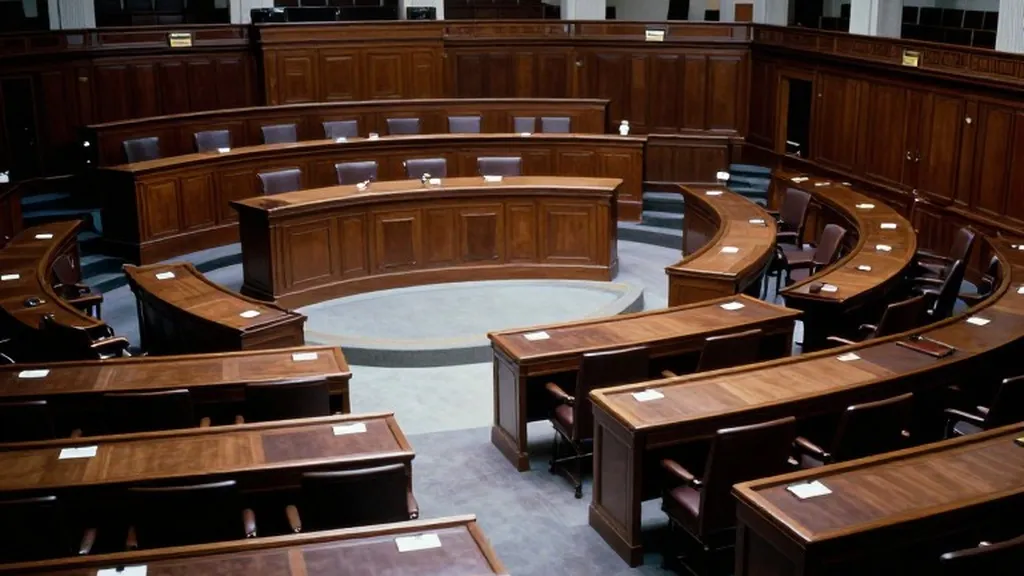
The 2026 midterm election results for the United States House of Representatives have settled with a final tally of 218 seats for Democrats and 214 for Republicans. This outcome leaves the chamber with a margin of just four seats, a narrow balance that shapes the legislative agenda for the next two years. The results were confirmed by Ballotpedia as of 4:00 PM ET on November 6, 2026. The final count reflects the outcome of 435 total seats contested in the election.
The distribution of power in the House is now defined by this three-seat margin in terms of the gap between the majority and the minority, considering the total seats. Democrats secured a majority by winning a net gain of seats from the previous congressional term. Republicans retained a significant presence but lost ground in several key areas. The final numbers indicate a closely contested race across the nation, with the outcome hinging on specific districts that shifted from one party to the other.
A total of 46 battleground districts played a decisive role in determining the final composition of the House. These districts were closely watched throughout the election cycle as they had the potential to swing between parties. The performance of candidates in these competitive zones directly impacted the overall seat count for both Democrats and Republicans. The results in these 46 districts were critical in establishing the new balance of power in the chamber.
The 2026 election was the first to use new maps in seven states, a factor that influenced the competitiveness of numerous districts. Redistricting following the 2020 census created new boundaries that altered the political landscape in these states. The new maps affected the number of safe seats and competitive districts in each of the seven states. Candidates and parties adjusted their strategies in response to these changes in the electoral geography.
Democrats picked up at least 43 House seats in the 2026 election, according to Ballotpedia. Of these gained seats, 42 were previously held by Republicans and one was previously held by an independent. This net gain allowed Democrats to move from a minority position to a majority in the House. The shift in seats was substantial enough to change the leadership of the chamber and the control of key committees.
Republicans suffered a net loss of at least 42 seats in the House during the 2026 midterms. This loss was part of a broader trend in the election results across federal offices. The net loss of 42 seats is short of the 48 seats needed to qualify as a wave election, a threshold previously defined by political analysts. However, the loss was significant enough to shift the balance of power in the House to the Democrats.
The final results of the House election stand in contrast to the Senate outcomes, where Democrats won a 54-44 majority. While the House margin is narrower, the Senate result provides Democrats with a more secure majority in the upper chamber. The combined control of both chambers by Democrats marks a shift in the congressional landscape. The party in power in the House will have the authority to introduce legislation and set the agenda for the next two years.
The narrow margin in the House means that the balance of power is delicate and subject to change in future elections. The four-seat difference between the parties highlights the competitive nature of the current congressional map. Both parties will likely focus on maintaining their seats in the 2028 election cycle. The results of the 2026 election serve as a baseline for measuring political shifts in the coming years.
The involvement of new maps in seven states added a layer of complexity to the 2026 House race. These changes in district boundaries affected the number of competitive seats and the overall competitiveness of the race. The new maps were a result of the redistricting process that followed the 2020 census. The impact of these maps is evident in the final seat count and the distribution of power in the House.
The 2026 midterm election results for the House reflect a significant shift in the political landscape of the United States. Democrats gained control of the chamber with a 218-214 majority, a result that will influence the legislative process for the next two years. The narrow margin and the role of battleground districts and new maps highlight the competitive nature of the race. The final results provide a clear picture of the current balance of power in the United States Congress.
The election results were compiled by Ballotpedia and reflect the status of the race as of 4:00 PM ET on November 6, 2026. The data indicates that the House has not yet reached the mark for a wave election, but the shift in seats is significant. The results in the House are part of a broader set of midterm election outcomes that include the Senate and state offices. The final numbers will serve as the basis for the next two years of legislative activity.