Courts Intervene as Election Day Lawsuits Shape Voting Rules
Federal judges issued rulings on noncitizen voting and ballot handling in California and Alaska, while postal adjustments aim to ensure timely mail-in ballot counting.
By Andrew Kovalenko ·

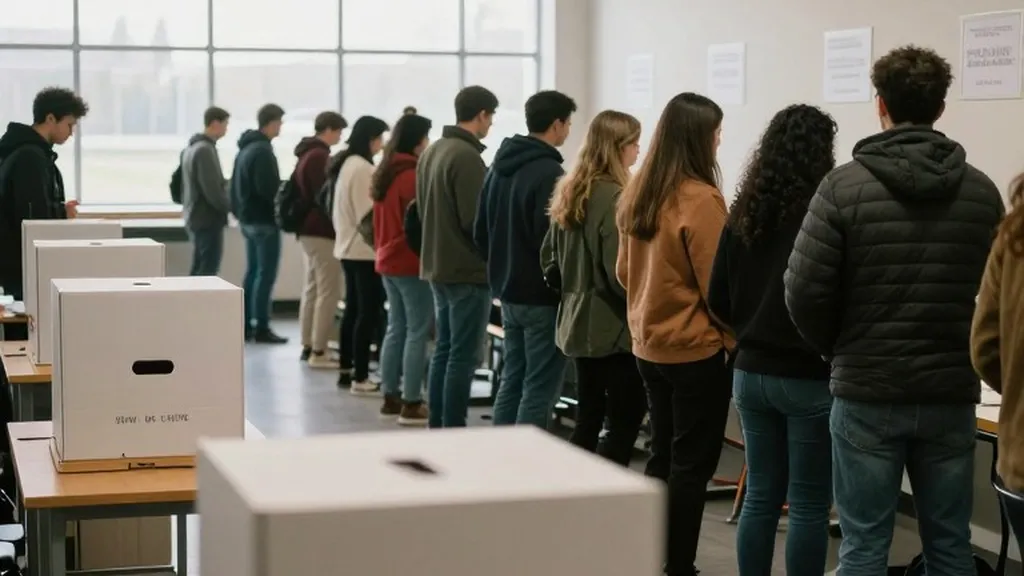
As polls opened on Tuesday, November 3, 2026, the legal framework governing the midterm election remained in flux following a series of federal court interventions. These rulings directly impacted how election officials in key states administered the day's procedures. The disputes centered on the verification of voter eligibility and the physical handling of ballots, creating a backdrop of procedural uncertainty for millions of Americans casting their votes.
A federal judge issued a temporary bar on Monday against the Trump administration's plan to prevent noncitizen voting. Critics of the administration's approach argued that the plan risked disenfranchising eligible voters who might be temporarily removed from rolls due to bureaucratic errors. They also contended that the federal move infringed upon the traditional authority of states to manage their own election processes.
In California, a separate judicial order required the administration to stop demanding that state election officials segregate ballots cast by individuals identified on lists of suspected noncitizens. This directive aimed to streamline the counting process and reduce the burden on local election workers who had to manage potentially large volumes of mail-in ballots under tight deadlines. The ruling was seen as a significant procedural relief for California officials.
The Trump administration had filed lawsuits in both Alaska and California related to these voting rules. In Alaska, the legal action was specifically tied to the certification of the Senate race result. These moves were part of a broader strategy by the administration to address what it described as voting fraud, including claims that noncitizens were voting in large numbers. The administration's Justice Department also threatened to prosecute local election officials, a move that fueled concerns among Democrats about potential interference and intimidation.
Simultaneously, the U.S. Postal Service implemented measures to ensure that mail ballots would be counted on time. The agency added extra staff, extended operating hours, and established special lines for processing election-related mail. These logistical adjustments were critical in states where a significant portion of the electorate votes by mail. The added resources aimed to prevent the backlog issues that have plagued previous high-stakes elections.
Republican officials braced for the possibility of losing the House while fighting to maintain their Senate majority. RNC Chairman Joe Gruters emphasized the importance of voter turnout in a recent statement. He said, "Everything depends on turnout. If we turn out our voters, we win, and that's what we've been planning for." This sentiment reflected the party's focus on mobilizing its base to overcome potential procedural headwinds.
Democrats, described by the Associated Press as cautiously optimistic, pointed to the anger of voters over the economy and foreign policy as a driving force. DCCC Chair Rep. Suzan DelBene stated, "The American people are angry. They want change." Both parties recognized that the legal and administrative hurdles of the day could influence final margins in closely contested districts and states.
The legal battles occurred against a backdrop of high early vote totals. More than 57 million people had already voted as of Monday, surpassing the early vote figures from four years ago in many closely watched states. This high level of pre-election participation meant that the day's in-person voting would largely serve to confirm or shift the initial trends established by early and mail-in ballots.
In Alaska, the focus on the Senate race was intense due to the administration's lawsuit regarding certification. The state is considered a battleground where the outcome could swing depending on how the legal challenges are resolved. Similarly, in California, the new congressional maps and the specific ballot handling orders added a layer of complexity to the count. Officials in both states worked to ensure that the rulings were implemented without causing significant delays.
The Postal Service's efforts were a visible part of the election infrastructure on the ground. By increasing capacity, the agency aimed to mitigate the risk of ballots being discarded due to late arrival. This was particularly important given the volume of mail-in votes in states like California, Colorado, and Washington. The coordination between federal and state agencies was essential to maintain the integrity of the vote count.
As the day progressed, election officials in various states monitored the implementation of the court orders. The temporary nature of the rulings meant that further legal actions could still occur, but for the purpose of Election Day, the current directives stood. The focus remained on ensuring that every eligible vote was counted accurately and efficiently, despite the ongoing legal disputes.