Trump's Midterm Role: Rallies, Distance, and Approval Strain
With polls open, the President's active campaigning contrasts with low approval ratings and candidates' efforts to maintain independence.
By Amina Howard ·
President Donald Trump is playing an unusually active role in the 2026 midterm elections, holding dozens of rallies across the country to support Republican candidates. His most recent event took place in Salina, Kansas, where he urged supporters to treat the upcoming vote as a direct referendum on his second term. The President told the crowd that he wanted them to pretend he was on the ballot, a strategy designed to link the performance of congressional candidates directly to his own administration. This level of personal involvement is distinct from previous midterms, where presidents typically maintained a lower profile during the general election phase.
Despite the President's high visibility, his approval numbers present a challenging landscape for the GOP. According to recent polling and NORC Center, only 35 percent of U.S. Adults approve of Trump's job performance. Approval of his handling of the economy stands at 25 percent, a figure that reflects widespread concern over high prices. Furthermore, about seven in ten Americans say the country is heading in the wrong direction. Many voters attribute rising costs to the administration, creating a backdrop of economic anxiety that campaigns on both sides are navigating carefully.
In response to the President's heavy presence, many Republican candidates have chosen to keep a strategic distance. While they benefit from his endorsement and the momentum of his rallies, several have avoided overtly aligning themselves with his specific rhetoric or policy positions. This approach allows them to appeal to moderate voters while still securing the support of the President's base. The dynamic creates a complex political environment where candidates must balance loyalty to the party leader with the need to appear independent and focused on local issues.
The President has also continued to make claims about voting fraud, asserting that noncitizens are voting in large numbers. His administration has filed lawsuits in states such as Alaska and California, challenging the certification of election results or the handling of voter rolls. Democrats have expressed concerns that these legal actions could lead to interference or intimidation of local election officials. The Justice Department has threatened to prosecute officials in some jurisdictions, adding a layer of legal tension to the already contentious political race.
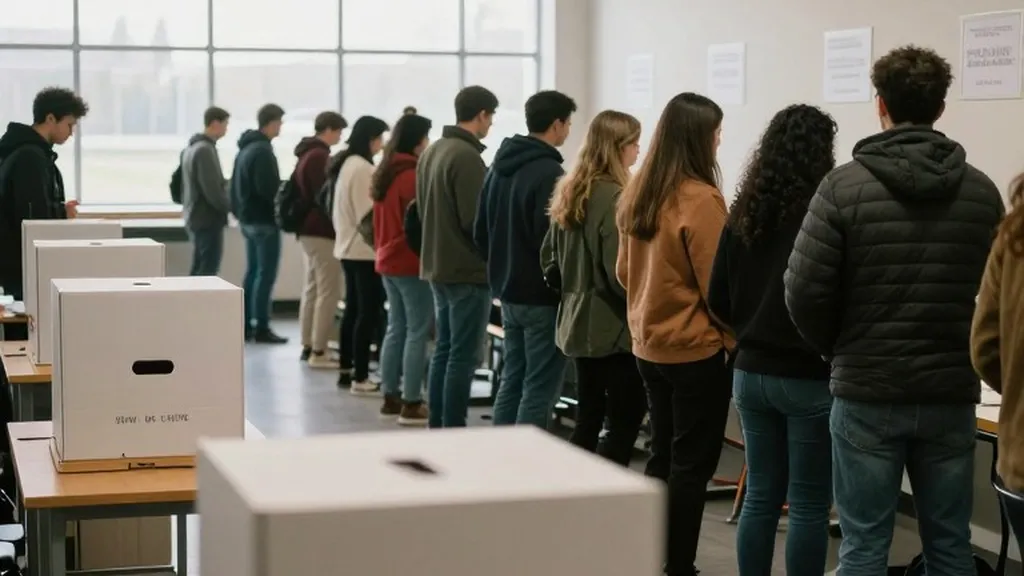
Voters at the polls this Tuesday are weighing these factors against their own economic experiences. In Palm Beach Gardens, Florida, one voter named Mark Barker said he has been following Trump closely and believes he is doing an awesome job. In contrast, James Moore, a 57-year-old librarian in Raleigh, North Carolina, cited higher taxes and increased healthcare costs as reasons for his concern. These individual stories reflect the broader national divide, with many Americans struggling with the cost of living while others remain supportive of the President's leadership style and policy agenda.
The financial aspects of the campaign also highlight the President's influence. The 2026 elections are likely to be the most expensive in history, with Republican committees outspending their Democratic counterparts. This spending was aided by Trump-affiliated groups and contributions from high-profile donors like Elon Musk. Analysis of television advertising data shows that 88.1 percent of Republican general election TV ad spending went to states and districts that Trump won in 2024. This concentrated spending suggests a strategy to protect the President's political base while attempting to expand Republican gains in other areas.
On the Democratic side, leaders are expressing cautious optimism about their chances to regain control of Congress. Rep. Suzan DelBene, the chair of the Democratic Congressional Campaign Committee, stated that the American people are angry and want change. The Democrats are focusing on the cost of living and oversight as key themes, aiming to capitalize on the President's lower approval ratings. They hope that voters will use this midterm election to send a message about the direction of the country and the performance of the executive branch.
Republican leadership, meanwhile, is bracing for a potential loss of the House while fighting to retain the Senate. RNC Chairman Joe Gruters emphasized that everything depends on turnout, stating that if they can mobilize their voters, they will win. The party is relying on the energy of the President's rallies and the structural advantages gained through redistricting in several states. However, they acknowledge the difficulty of overcoming the traditional midterm pattern where the president's party often loses seats, especially when the leader's popularity is moderate.
The election administration process has also been marked by legal and logistical challenges. A federal judge temporarily barred the Trump administration from implementing a plan to prevent noncitizen voting, citing concerns about disenfranchising eligible voters. In California, a judge ordered the administration to stop demanding that officials segregate ballots cast by people on lists of suspected noncitizens. The U.S. Postal Service has added hours and staff to ensure that mail ballots are counted on time, addressing concerns about delays in states that rely heavily on mail-in voting.
As polls close across the nation, the outcome will determine who controls Congress for the final two years of Trump's second term. The results will also have implications for potential 2028 presidential candidates and the balance of power in Washington. With over 57 million people having already voted, the final tally will reflect the cumulative effect of early voting, mail ballots, and Election Day turnout. The coming hours will reveal whether the President's active campaigning and the party's strategic spending are enough to overcome the headwinds of low approval and economic dissatisfaction.
The stakes extend beyond simple partisan control. If Democrats win either chamber, investigations and possible impeachment proceedings become more likely. House Democratic Leader Hakeem Jeffries has outlined a 100-day agenda focused on the cost of living and oversight, signaling a shift in legislative priorities. For Republicans, a strong performance could solidify the President's authority and provide a platform for future electoral contests. The results of Tuesday's election will set the tone for the remainder of the President's term and the broader political landscape in the years to come.