Economy Tops 2026 Midterm Issues as Democrats Surge
New AP-NORC data shows prices and the economy were the primary driver for voters in Raleigh and Palm Beach, influencing the historic shift in Congress.
By Andrew Kovalenko ·

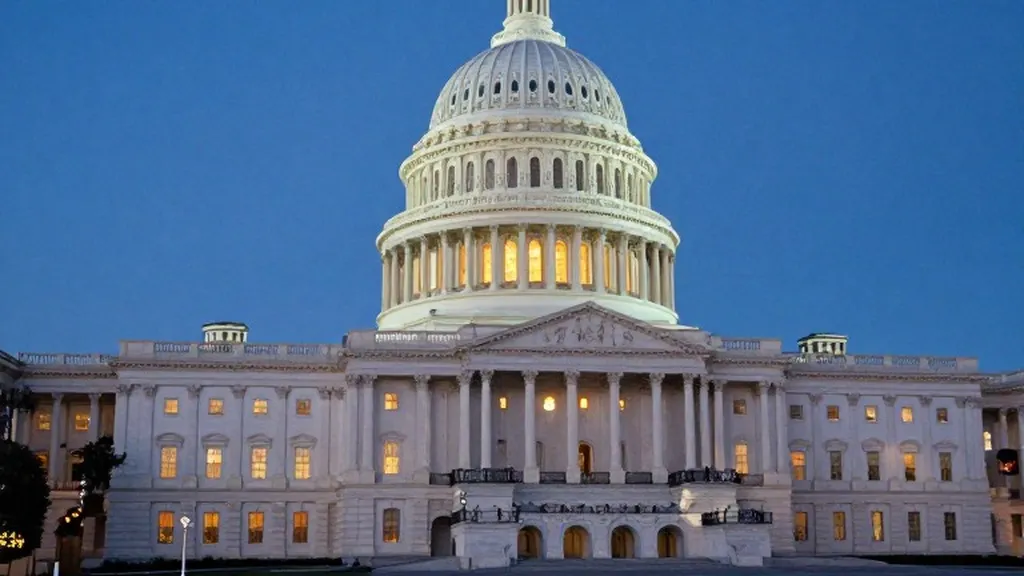
The 2026 midterm elections have concluded with a significant shift in power, as Democrats secured majorities in both chambers of the United States Congress. According to updated results from Ballotpedia, Democrats picked up at least 43 House seats and seven Senate seats. The new composition of the House reflects a majority of at least 250 to 157, while the Senate now stands at 54 to 44. This outcome marks a wave election, a term defined by a net loss of at least seven seats for the president's party. The results were finalized in the days following the vote, confirming a broad rejection of the previous administration's economic direction.
The primary catalyst for this electoral shift was the state of the national economy. A survey conducted by the AP-NORC Center for Public Affairs Research identified prices and the economy as the top issue for voters in key battleground regions. In Raleigh, North Carolina, and Palm Beach, Florida, respondents consistently cited the cost of living as their most significant concern. These two locations served as critical indicators of national sentiment, with voters in both areas expressing dissatisfaction with the current financial trajectory. The data suggests that economic anxiety outweighed other traditional partisan loyalties in determining the outcome of these races.
The focus on economic stability was heavily influenced by the implementation of new tariff policies. Many voters in the surveyed regions linked the rise in consumer prices directly to these trade measures. The AP-NORC numbers indicated that a majority of respondents in these areas believed that tariffs had a negative impact on their household budgets. This sentiment was particularly strong among independent voters, who played a decisive role in the final tallies. The perception that the administration's trade strategy was increasing the cost of daily necessities contributed to the momentum for change.
In Raleigh, the economic concerns were compounded by local industrial shifts. Voters there reported feeling the pressure of rising housing costs and wage stagnation. The AP-NORC survey highlighted that these residents were less focused on cultural issues and more concerned with immediate financial relief. This demographic profile aligned with the broader trend of voters prioritizing economic security over ideological disputes. The result in North Carolina mirrored the national pattern where economic hardship drove voters away from the incumbent party's candidates.
Palm Beach presented a similar picture, with retirees and long-term residents expressing frustration over the cost of healthcare and groceries. The AP-NORC data showed that a significant portion of voters in this Florida district cited the economy as their reason for supporting Democratic candidates. The region's sensitivity to interest rates and inflation made the economic argument particularly resonant. Voters here felt that the previous administration had failed to protect their savings and purchasing power. This local reaction contributed to the broader Democratic sweep in the state's congressional districts.
The election results reflect a complex interplay of national and local economic factors. Democrats won a plurality of state government trifectas and a majority of governorships for the first time since before the 2010 elections. This broader victory suggests that the economic dissatisfaction was not limited to federal races but extended to state and local levels of government. The shift in power provides the new Democratic leadership with the opportunity to implement policy changes aimed at addressing these economic concerns. The new Congress will now have the authority to review and potentially modify the tariff policies that were central to the voter debate.
President Donald Trump acknowledged the results while maintaining his stance on economic policy. In a briefing following the election, he stated that the administration would continue to pursue its trade objectives. However, the new majority in Congress is expected to scrutinize these policies more closely. The AP-NORC findings indicate that voters in key districts were particularly sensitive to the impact of tariffs on essential goods. This creates a dynamic where the executive branch may face increased legislative pressure to adjust its economic approach. The coming months will likely see a detailed examination of the trade data that informed the previous policy decisions.
The demographic breakdown of the vote also provides insight into the economic priorities of different groups. The AP-NORC survey revealed that voters across income levels in Raleigh and Palm Beach shared a common concern about the rising cost of living. This consensus across economic strata helped to build a broad coalition for change. The data showed that even those who typically supported the previous administration's other policies were willing to switch their vote due to economic factors. This shift underscores the importance of economic stability in shaping electoral outcomes.
The new Democratic leadership in Congress has already signaled its intention to address the economic issues highlighted by the AP-NORC survey. Leaders in both the House and Senate have stated that they will prioritize legislation aimed at reducing the cost of goods for American families. This includes reviewing the effectiveness of the tariff policies and exploring alternative trade agreements. The goal is to stabilize prices and restore confidence in the economic outlook. The new Congress will also look to increase funding for programs that directly impact household finances.
The election results serve as a clear mandate for economic reform. The AP-NORC numbers from Raleigh and Palm Beach provide a detailed map of the issues that drove voters to the polls. As the new Congress convenes, it will face the task of translating these voter priorities into actionable policy. The focus on prices and the economy will remain central to the legislative agenda. The coming session will determine whether the new leadership can deliver the economic relief that voters in these key districts demanded.