Cabinet Secretaries Face Impeachment Rules
The Constitution grants Congress the power to remove executive branch officials through the same process used for the president, though historical examples remain rare.
By Andrew Kovalenko ·
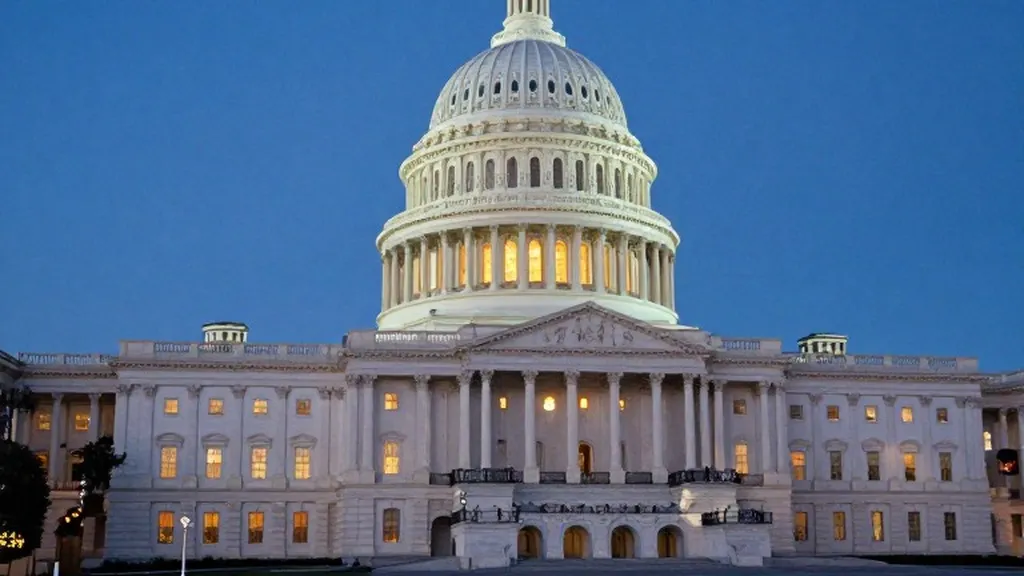
Article II, Section 4 of the U.S. Constitution authorizes Congress to remove Cabinet secretaries from office.
The same clause that applies to the president and vice president covers all civil officers of the United States. This provision allows for removal upon conviction for treason, bribery, or other high crimes and misdemeanors. The term high crimes and misdemeanors lacks a strict legal definition and does not require a violation of criminal law or a prior court conviction. Historically, the process has addressed abuses of official power and breaches of public trust.
The procedural steps for impeaching a Cabinet secretary mirror those for a president. The House of Representatives initiates the process by introducing a resolution or launching a committee investigation. If the House determines there is sufficient cause, it drafts articles of impeachment. A simple majority vote in the House is required to formally impeach the official. Impeachment serves as a formal accusation rather than a conviction, allowing the secretary to remain in office while the Senate prepares for trial.
The Senate holds the trial for impeached Cabinet officials. The Constitution explicitly states that the chief justice of the U.S. Supreme Court presides over presidential trials, but it does not specify who should oversee proceedings for other civil officers. To remove a Cabinet secretary from office, the Senate must vote to convict by a two-thirds majority. This threshold is higher than the simple majority required in the House for impeachment.
Only two Cabinet secretaries have faced impeachment in U.S. history. William W. Belknap, who served as war secretary under President Ulysses S. Grant, was the first. He resigned in 1876 hours before the House vote, citing allegations that he accepted bribes in a trading post scandal. The Senate later acquitted him. Alejandro Mayorkas, the Homeland Security Secretary in the Biden administration, was the second. The House voted to impeach him in February 2024. The Senate dismissed the case two months later, ruling that it did not meet constitutional standards. Mayorkas served until President Joe Biden left office.