US Inflation Tops Forecasts in October
Core prices rose 0.3% last month, fueling expectations of a steeper Federal Reserve interest rate hike in December.
By Lucas Navarro ·
The U.S. consumer price index increased by 0.4% from September to October, exceeding analyst expectations, the Labor Department reported Tuesday. The monthly gain was lower than the 0.6% increase recorded in the preceding month. The government did not release a year-over-year inflation rate because data for October 2025 was missing due to a prior government shutdown.
Excluding volatile food and energy categories, core prices rose by 0.3%, matching the previous month's increase. Both the headline and core figures were a tenth of a point higher than forecasts. At current annualized rates, these numbers would sit well above the Federal Reserve's 2% target.
Riccardo Trezzi, a former Federal Reserve economist and founder of Underlying Inflation, described the data as worrisome. He noted a sense that inflation is broad, persistent, and present in various sectors. Trezzi calculated that consumer prices rose 4% in October from a year earlier, up from 3.7% in September. He estimated core prices rose 2.8%, up from 2.6%.
The persistence of elevated prices has shifted focus toward the Federal Reserve's next move. The central bank kept rates unchanged late last month after raising them in September. Fed Governor Christopher Waller stated that a half-point increase is possible at the December meeting. This would be double the standard quarter-point hike. Waller noted that economic activity is strong and the labor market is stable, but inflation remains too high relative to the 2% goal.
Market reactions to the data included falling stock prices in early trading Tuesday. Treasury yields rose as investors priced in expectations for more persistent inflation and higher interest rates. The economy expanded at a 3.4% annual rate in the third quarter, driven largely by consumer spending. This growth, combined with higher gas prices and supply disruptions from tariffs, is creating stubborn inflation.
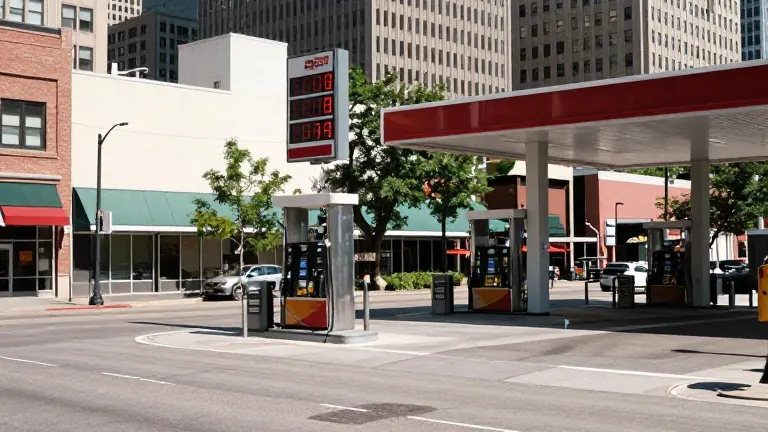
Gas prices rose 1% in October, a moderate increase compared to previous months. However, gas prices remain more than 37% higher than a year ago. Oil prices have fallen recently on hopes that the Iran conflict is fading, leading to a decline in gas costs this month. Despite this, higher energy prices are spreading to other sectors. Airfares, public transportation, and delivery services all saw price jumps.
Electricity prices rose 0.9% from September to October, the largest increase since April. Grocery prices jumped 0.4%, adding to consumer pain after years of increases. Beef prices rose 0.9% last month, following a nearly 14% increase in the first half of the year. Restaurant prices rose 0.5%, the highest jump since January 2024. Rising shipping costs driven by expensive gas are being passed on to consumers.
Inflation has also been fueled by massive investments in artificial intelligence, which have raised prices for computer chips, electricity, and consumer electronics. Computer prices jumped 0.5% last month after rising nearly 10% in the year ending in September. This marks a reversal of the long-term trend of falling computer costs as chips became more efficient. Voters elected dozens of candidates who pledged to slow data center construction in response to these costs.
Price increases are also occurring in sectors unrelated to oil and AI. Disney raised the price of its ad-supported Disney+ and Hulu bundle to $12.49 from $11.99 in October. The ad-free version increased by $2.50 to $21.49. Prices for the Apple TV and Peacock bundle also rose to $17.99 from $14.99. These adjustments reflect a broader trend of service providers increasing costs.
Small businesses are adjusting to reduced consumer spending. Chris Butler, CEO of National Tree Company, said most customers now spend $200 or less on a tree, down from $300 to $400 during the pandemic. Butler stated that inflation continues to persist and consumers are hurting from a discretionary perspective. The company raised prices by 10% to 15% last year due to tariffs but does not plan further increases this year due to customer financial stress.
More Business · Business Watchdog · Report a business · Got a Story?