Eswatini closes Asian-owned shops under new local ownership law
Parliament granted foreign owners a 12-month exit window after heated debate over how quickly emaSwati should take over retail businesses.
By Andrew Kovalenko ·
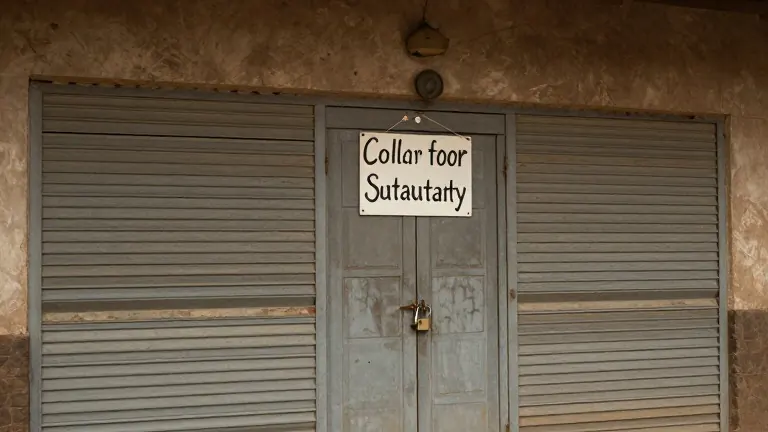
Government officials in Eswatini have begun closing retail shops owned by Asian nationals. The enforcement action follows the approval of the Citizen Economic Empowerment Act. The law aims to increase business ownership by emaSwati, the citizens of the kingdom.
Trade ministry inspectors launched reviews in August. They targeted foreign-owned enterprises in various districts. Some businesses in Mbabane were found to comply with regulations. Other shops failed inspections due to issues with working conditions and administrative practices.
Employees at several foreign-owned firms filed complaints. They cited problems with days off, annual leave, and overtime pay. At least one case remains under active investigation by the ministry. Officials stated that the inspections were part of a broader effort to enforce the new legislation.
Parliament debated the timeline for foreign owners to exit the market. Mbabane East MP Welcome Dlamini noted that enforcement had already begun. He argued that local entrepreneurs needed time to learn the trade. Dlamini suggested a three-year period would allow emaSwati to train as successors to the current owners.
Hhohho Regional MP Tanele Magagula disagreed with the proposal. She called for immediate seizure of foreign-owned businesses in rural areas. Magagula questioned why local traders should wait three years while facing economic hardship. The legislative body ultimately settled on a minimum 12-month window for foreign owners to leave.
The new law responds to complaints from local traders. They argued that foreign businesses were increasing competition in traditional retail markets. This pressure threatened local livelihoods. The government stated that the law seeks to expand economic opportunities for citizens in a landlocked nation where about 70% of the population lives below the poverty line.
Regional trends influence the enforcement climate in Eswatini. Neighboring South Africa has seen severe actions against foreign-run informal businesses. The March and March movement intensified its campaign in July and September 2026. Two Ghanaian and two Nigerian nationals were reported killed amid the tensions. Kenya has also stepped up enforcement against foreign traders.
The ministry may continue enforcing the current provisions unless the law is formally amended. The 12-month agreement reached in Parliament has not yet been written into the statute. Officials are monitoring compliance as the exit window begins.
More Business · Business Watchdog · Report a business · Got a Story?