Texas Politics: Democrats Claim State House Control
New legislative leaders in Austin face a new configuration after Democrats flipped enough districts to secure a majority in the lower chamber.
By Amina Howard ·
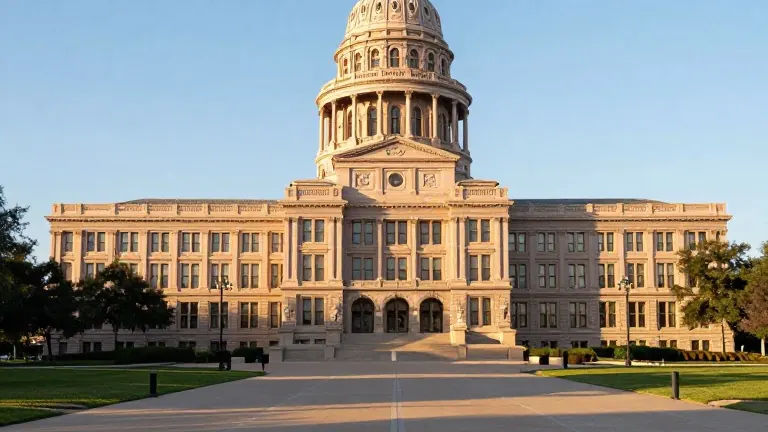
Democrats announced Wednesday that they have secured a majority in the Texas House of Representatives, a result that shifted the balance of power in Austin.
Prior to the election, party strategists aimed to flip 12 specific House districts. That target would not have been sufficient to overturn the existing 88 to 62 Republican majority. However, officials reported that the party was on track to gain closer to 20 seats. This surge was driven by strong performance by statewide candidates in suburban and exurban areas.
Katherine Fischer, executive director of Texas Majority PAC, stated that the party achieved a near trifecta. She noted that Democrats now possess more leverage than they have held in over 30 years. Fischer added that while a full trifecta was not achieved, the party is close. The incoming Democratic governor, Gina Hinojosa, will work with a Democratic-controlled House, although Republicans will maintain a majority in the state Senate.
In San Antonio, Democrats successfully challenged three Republican-held House districts. Kristian Carranza won the Southside district previously held by State Rep. John Lujan. The party also won House District 121 in Northside, a seat that had not elected a Democrat in 45 years. A third race in House District 122 remained tight as of Wednesday morning. State Rep. Mark Dorazio led his opponent Shelly Nickels by approximately 1,700 votes. Republicans spent more than $500,000 on Dorazio in the final month, while Nickels spent $5,600.
Vikki Goodwin defeated Lieutenant Governor Dan Patrick in a contest for the vice-presidential role of the Senate. Fischer said the new lieutenant governor will have substantial authority to manage the chamber. She predicted the Democratic House would focus on healthcare and revisit the state's school voucher program.
The new leadership structure will determine how the two chambers cooperate in the upcoming session. The Democratic Party will operate with a majority in the lower house and the governor's office, while the Republican Party retains control of the upper house.