Texas Democrats ready to act on data center promises after election win
Gov. elect Gina Hinojosa faces a complex path to extending development pauses and reforming tax policies as Republicans retain the state Senate.
By Lucas Navarro ·
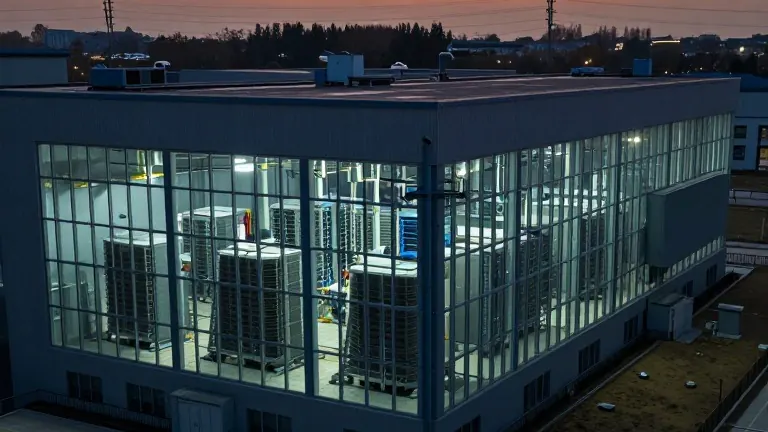
Texas voters turned to the Democratic party in the midterms largely over concerns regarding the rapid expansion of artificial intelligence infrastructure. The shift in power gives the new leadership a direct mandate to address electricity demands and water usage in local communities.
Gov. elect Gina Hinojosa campaigned on three specific platforms for the industry. She pledged a moratorium on new construction, the elimination of tax breaks for developers, and increased local control over facility approvals. These promises directly respond to the public pressure that emerged after Governor Greg Abbott described the state as an epicenter of AI development in November 2025.
Extending the development pause appears to be the most immediate step for the incoming administration. John Hall, president and CEO of the Houston Advanced Research Center, noted that the governor has the executive authority to strengthen the current pause. Abbott initiated a similar measure via executive order in September 2026, requiring new facilities to demonstrate their impact on power and water before connecting to the grid.
The other two campaign promises require legislative action that may prove difficult. While Democrats hold the governorship and the state House, Republicans maintain control of the Texas Senate. Hall observed that data centers have created a rare bipartisan coalition of concern. He cited a Gallup News poll from May showing that 70% of Americans disapproved of data centers being built in their communities.
Implementation depends heavily on state regulatory bodies, specifically the Texas Commission on Environmental Quality and the Public Utilities Commission of Texas. Sandra Haverlah, president of the Texas Consumer Association, pointed out that Hinojosa cannot appoint new board members until terms expire. Her first opportunity to appoint someone to the TCEQ board may not occur until as late as September 2027.
Industry leaders are adjusting their strategies in response to the election results. Sarah Friar, Chief Financial Officer at OpenAI, stated that the company is focusing on strengthening relationships with existing operators and communities. She emphasized the need to balance continued investment in customer demand with local engagement.
Michael Webber, a former deputy director at the University of Texas at Austin Energy Institute, said that projects currently under construction will likely continue. He argued that stopping mid-phase projects is expensive and difficult. Webber suggested that new regulations should focus on minimizing environmental impact rather than halting development entirely, citing the economic benefits such as property taxes and skilled jobs.