Judge Blocks Peltola Ballot List Request
An Alaska Superior Court judge ruled that generating a list of rejected mail-in voters is not reasonably possible during the active vote count.
By Andrew Kovalenko ·
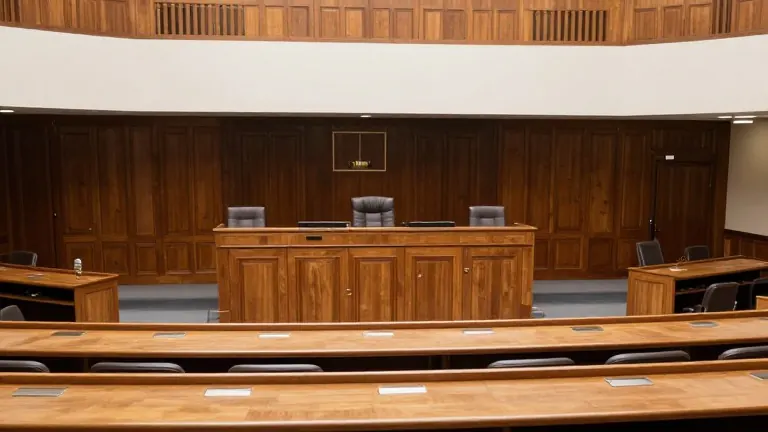
Superior Court Judge Thomas Matthews ruled on Wednesday that a request from the campaign of Democratic Senate candidate Mary Peltola is not reasonable. The campaign sought a list of voters whose mail-in ballots were rejected, along with the specific reasons for those rejections. Matthews determined that the state election division is not obligated to release the records at this time.
The dispute arises during the ongoing vote count for the U.S. Senate seat in Alaska. Peltola and Republican incumbent Dan Sullivan are the primary contenders in a ranked-choice voting election. The state has not yet declared a winner because no candidate has secured more than 50 percent of first-choice votes. Officials are working to complete the count by November 18, the deadline for accepting overseas ballots.
Peltola’s attorneys filed the request last Friday. They argued that the campaign needs to verify which eligible voters were excluded from the count. Their legal team stated that ensuring all qualified ballots are tallied is a core requirement of the election process. They asked the state to provide the data so the campaign could review potential errors.
State lawyers opposed the request, citing privacy concerns and technical limitations. They argued that the information requested would expose voter details. The state also contended that generating the list would require creating a new electronic product. Under state law, such a task cannot take priority over the agency's main duties. Those duties include managing the current election count.
Matthews acknowledged that the voter database records could theoretically be edited for public release. However, he found it not reasonably possible to present the data now. He noted the difficulty of removing confidential information while meeting strict deadlines. The judge emphasized that the election division staff are working long hours to fulfill their fundamental responsibility of administering the election.
In his written ruling, Matthews described the timing of the request as unfortunate. He stated that the moment chosen by the campaign could not be worse. The ruling highlights the pressure on state officials to balance transparency with operational efficiency during a close and contested race.
Abha Khanna, an attorney for Peltola, told the court on Tuesday that the campaign did not intend to disrupt the counting process. She noted that the mail-in ballot review process was proceeding smoothly. Khanna argued that the requested information is public and matches what campaign observers see at local review boards. The campaign wanted access to this data in a more centralized format.
State lawyers countered that reports generated during the review process are not public records. They classified these documents as ephemeral working papers not meant for permanent retention. They also argued that the reports contain confidential details that the state prefers to keep private.
Michaela Thompson, who oversees the mail-in ballot review boards, filed an affidavit addressing the technical issues. She stated that the version of the report given to observers includes private home addresses. Many voters wish to keep these addresses confidential. Observers sign non-disclosure agreements and cannot keep, copy, or record the information in the reports.
Thompson explained that the division’s database is old and inflexible. It cannot generate a report that excludes confidential addresses without extra work. The agency would need to hire a vendor to create a customized report. This requirement adds time and complexity to the request.
Messages sent on Wednesday to Peltola’s legal team and the state Department of Justice did not receive an immediate response. The election division continues to count votes as it works toward the November 18 deadline. The final outcome of the Senate race depends on the results of this ranked-choice count.