Texas Universities Win $10.5 Million to Deploy Drones Against Screwworm
USDA grants aim to use thermal imagery to detect infestations faster as cases surge across the Southwest.
By Andrew Kovalenko ·
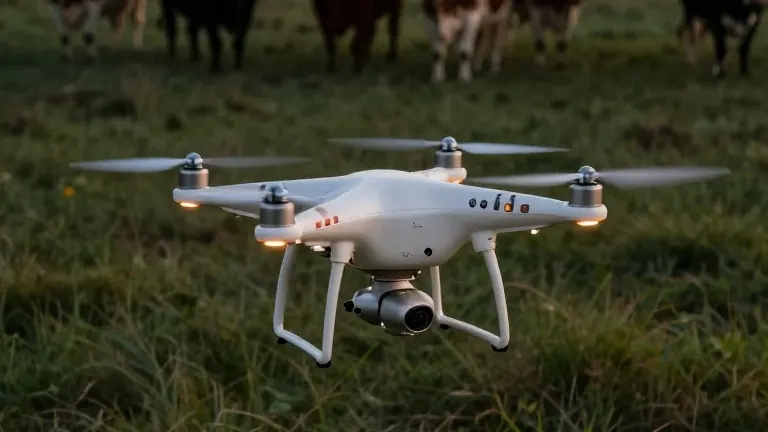
The U.S. Department of Agriculture is deploying drone technology to track a fast-spreading pest that threatens livestock across the Southwest. The agency awarded roughly $105 million to 40 universities nationwide to build tools for early detection of New World screwworm infestations. The two-year project focuses on using aerial surveillance to identify outbreaks before they become widespread.
Five Texas institutions secured grants to join the effort. The University of Texas Rio Grande Valley received the largest state share at $2.2 million to develop drone-based technologies. Texas Tech, Texas A&M University, the University of Texas at Arlington, and the Texas Medical Branch at Galveston also received funding. These grants support a coordinated approach to monitoring and responding to the pest.
Dr. Sarah Maestas, an assistant professor at UTRGV, said the grant supports research aimed at creating new tools for federal and state agencies. She noted that producers and land managers also need better methods to combat the infestations. The university plans to develop tools that aid in surveillance and improve targeted response efforts for affected regions.
The research team will start with handheld thermal imagery units before moving to drone-mounted thermal cameras. Maestas explained that the team will evaluate vegetation associations of screwworm flies. They aim to build models that predict where adult flies distribute themselves and where animals might come into contact with them. This data will help direct management efforts to specific areas.
The USDA Animal and Plant Health Inspection Service launched the initiative in June to slow infestations surging across the Southwest. Since then, officials have detected at least 110 cases. These cases are mainly in livestock across Texas, New Mexico, and Arizona. The drone program seeks to address the growing pressure on regional wildlife and agricultural sectors.
The next phase involves field testing of the thermal imaging systems. Researchers will use the data to refine their distribution models. The project will run for two years, with results intended to guide future pest control strategies in the affected states.