
Texas Data Center Developers Face Regulatory Pause Amid Political Shift
Governor Abbott’s new audit requirements and community backlash have stalled major infrastructure projects in the state, prompting industry leaders to rethink their long-term strategies.
By Amina Howard ·
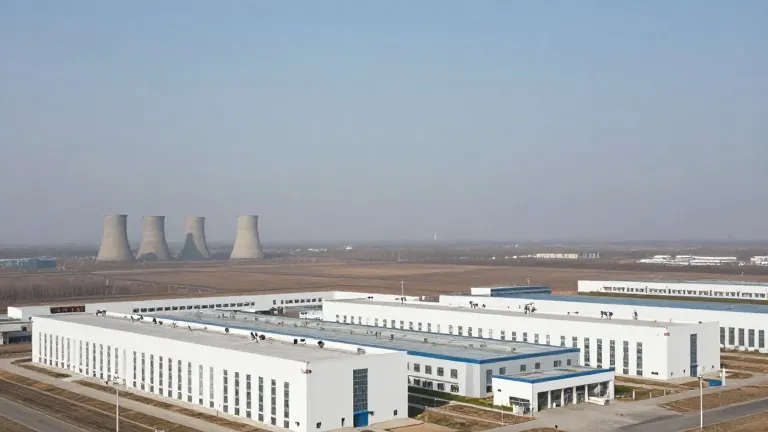
BaRupOn LLC, a California-based developer, purchased 700 acres of land in East Texas in 2023 to build an industrial campus featuring data centers and rare-earth manufacturing facilities. The company received strong initial support from the office of Gov. Greg Abbott, which assigned the project in Liberty the codename “Project Tough.” Balaji Tammabattula, the company’s chief operating officer, said staff from the governor’s office recommended site locations and introduced the team to local county officials. The administration encouraged developers to seek tax incentives and provided direct assistance in connecting with state agencies.
The operational environment has shifted sharply since that period. Tammabattula noted that while Texas was previously considered the optimal location for such developments, the state’s responsiveness has dropped precipitously. He stated that it has become difficult to receive replies to emails from the governor’s office. New data center developments in Texas are effectively paused until after the November elections, as land, energy, and water usage issues have triggered widespread protest. These environmental concerns have become a bipartisan issue among midterm candidates, influencing how developers approach new projects.
Abbott has moved away from his traditional business-first stance to introduce stricter oversight. In August, he ordered the Public Utility Commission and the Electric Reliability Council of Texas to audit the power and water consumption of all active data center projects. In September, he directed the Texas Water Development Board to enforce water-use reporting requirements. Andrew Mahaleris, Abbott’s press secretary, said the administration intends to protect the state’s resources. He stated that data centers must cover their own costs, protect the grid and water supply, and complete the required audits before state agencies issue permits.
The governor’s directives add to regulations passed in the previous legislative session, which aim to verify the validity of massive projects seeking grid connections. Olivier Beaufils, a head researcher at Aurora Energy Research, said the industry’s primary concern in mid-2026 was grid interconnection speed. That focus has now shifted to political uncertainty. Beaufils said political risk was previously considered a minor factor but has become a central problem for developers. He noted that the industry is uncertain whether these political pressures will subside after the midterms or intensify during the January legislative session.
Community opposition is directly affecting project approvals. Diode Ventures withdrew plans for a data center in Henderson County following community pushback over water usage and Abbott’s directives. Abbott praised the decision in a statement, saying the project did not meet the state’s new standards. A spokesperson for Diode said due diligence findings and feedback from local leaders informed the decision to halt preliminary planning. The spokesperson said the company shares the governor’s emphasis on responsible infrastructure development and prioritizing community needs.
The industry is adapting its engagement strategies to meet this new level of scrutiny. BaRupOn held no community events in 2023 or 2024 but conducted two in 2025. Tammabattula said the company has already held eight events in 2026. He described the interactions as one-way conversations where residents have firm views against data centers. Analysts note that the traditional approach of announcing a project and then defending it is no longer sufficient. Developers are now forced to seek social permission from communities as they pursue state permits, a process that has become more complex and time-consuming.
Data center capacity in the United States tripled between 2020 and 2025 and is expected to grow by a similar factor by 2030. However, about two-thirds of tracked projects across the country are at risk due to community pushback or pending legislation. Matt Richesin, an analyst for S&P Global Energy Horizon, said opposition has moved beyond standard local resistance to a broader desire to prevent development near residential areas. This shift is forcing the industry to rethink its growth objectives in Texas and other major markets.
More Business · Business Watchdog · Report a business · Got a Story?