Midterm Shift: Cooper Win Puts Senate Majority Within Reach
Democrats secured victories in North Carolina, Georgia, and New Hampshire, moving closer to the four-seat net gain required to take control of the Senate.
By Andrew Kovalenko ·

Former North Carolina Gov. Roy Cooper defeated Republican Michael Whatley on Tuesday, flipping a Senate seat that Democrats had identified as a primary target for recapture. The victory in North Carolina, combined with Democratic wins in Georgia and New Hampshire, gives the party a concrete path toward a legislative majority for the first time in years.
Democratic Sen. Jon Ossoff retained his seat in Georgia by defeating Rep. Mike Collins. In New Hampshire, Rep. Chris Pappas won election to succeed retiring Sen. Jeanne Shaheen, defeating former Sen. John Sununu. Early returns also confirmed reelection for Democratic Sens. Mark Warner in Virginia, Chris Coons in Delaware, Jack Reed in Rhode Island, Cory Booker in New Jersey, and Ed Markey in Massachusetts.
In Illinois, Democrat Juliana Stratton was elected to replace retiring Sen. Dick Durbin. On the Republican side, Sen. Ashley Moody won her election in Florida, completing the term left vacant when Marco Rubio became secretary of state.
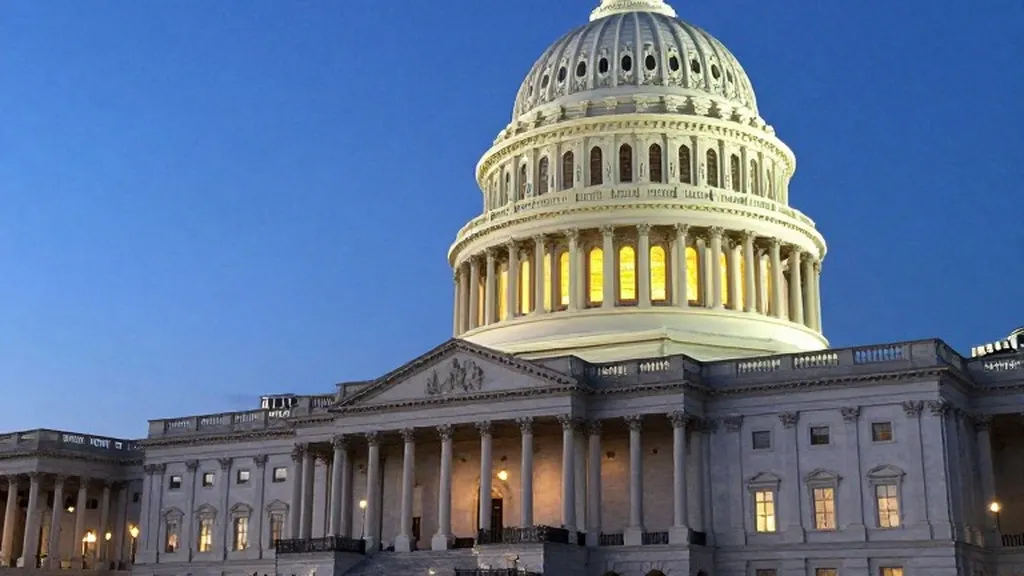
The Senate race remains tight, with margins in both chambers expected to be narrow. Democrats require a net gain of four seats from the current Republican majority to control the chamber. In the House of Representatives, they need a net gain of three seats to flip control. Polls are still open in many states, but the early results suggest the political map is shifting away from the Republican-friendly projections held earlier in the year.
More than 59 million people had cast ballots before Tuesday, according to an Associated Press analysis. This figure surpasses the early-voter turnout recorded in the 2022 midterm elections. President Donald Trump told voters to act as though he were on the ballot, a strategy aimed at energizing low-propensity voters who supported his previous campaigns.
"Everything depends on turnout. If we turn out our voters, we win," said Joe Gruters, chairman of the Republican National Committee. Trump visited Kansas, Mississippi, and South Carolina during the final campaign stretch. In a Fox News Channel interview on Tuesday, he declared that inflation is solved, despite Commerce Department data released last week showing consumer prices rose 3.6% in September from a year earlier.
Voter sentiment heading into the election was defined by frustration. An AP Voter Poll found that about three-quarters of voters feel angry or dissatisfied with the country's current trajectory. Three-quarters of voters also rated the economy as poor or not so good. Roughly half of voters cited government corruption and the cost of living as crucial factors in their decision, outweighing concerns about immigration enforcement, the war in Iran, and artificial intelligence data centers.
The election results will shape the final two years of Trump's second term. A Republican-controlled Congress previously acted as a rubber stamp for the administration's agenda. If Democrats take control of even one chamber, it opens the door for investigations and potential impeachment proceedings. Defense Secretary Pete Hegseth and former top adviser Elon Musk are among the potential targets for such scrutiny.
House Democratic Leader Hakeem Jeffries of New York is positioned to become the first Black speaker of the House if his party wins the majority. He has outlined a 100-day agenda focused on lowering the cost of living and overseeing the Trump administration. In the governor's races, Democrats Josh Shapiro in Pennsylvania, JB Pritzker in Illinois, Wes Moore in Maryland, and Maura Healey in Massachusetts all won reelection in early results.