Fragmented Israeli Election Leaves Netanyahu Short of Governing Majority
Likud projects 27 seats but faces a 56-49 split with the opposition, forcing complex coalition talks.
By Andrew Kovalenko ·
Israel’s legislative election has produced a deeply divided parliament, with no single bloc holding a clear path to a governing majority.
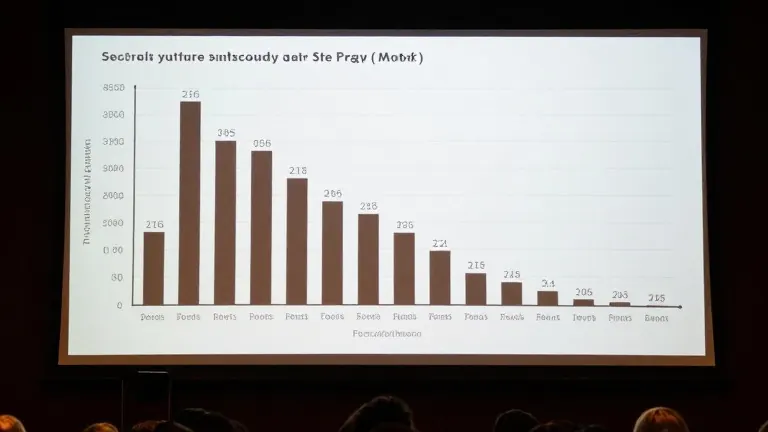
Prime Minister Benjamin Netanyahu addressed supporters at Likud headquarters in West Jerusalem on Tuesday, hours after polls closed. He projected that Likud would emerge as the largest party in the Knesset, claiming 27 seats based on projections from Channels 12 and 13. His main rival, Gadi Eisenkot, leads the Yashar party, which is projected to win 21 seats. The Times of Israel estimates that Netanyahu’s right-wing bloc will secure 56 seats, while Eisenkot’s center-left alliance will capture 49. With more than half of the ballots counted, neither side has reached the 61 seats required for a majority.
Netanyahu told the crowd that a right-wing government is necessary to ensure long-term security. He argued that Israel cannot rely on coalitions with Arab parties that oppose the nation’s existence. The prime minister also claimed that his government, which took office in 2022, transformed the region by eliminating key figures including Mohammed Deif, Ismail Haniyeh, Yahya Sinwar, Hassan Nasrallah, and Iranian Supreme Leader Ali Khamenei. He stated that Israel established security zones in Gaza, Lebanon, and Syria, thereby lifting the threat of immediate destruction. Netanyahu added that Israel has a historical opportunity to work with U.S. President Donald Trump to remove the existential threat of Iran.
Observers suggest the road to power will be difficult. Alon Pinkas, a former Israeli ambassador and consul general in New York City, noted that the party with the most seats may have to seek an uncomfortable coalition deal. He added that opposition voters would likely resist any bloc striking a deal with Netanyahu’s coalition. Marwan Bishara, a senior political analyst, described Netanyahu’s speech as an attempt to project a type of success that he does not merit. Bishara pointed out that Netanyahu cannot yet form a coalition and that Likud’s projected seat count is the lowest since 2009. Dan Perry, another political analyst, said the speech served to assert strength amidst a fragmented electoral outcome.
Final results are expected within one or two days. Coalition negotiations will determine whether Netanyahu can form a government or if the country faces further political uncertainty.