Democratic control of Congress reshapes oversight and 2028 strategy
With Democrats winning both chambers, leaders outline immediate investigations and a path toward the White House race.
By Amina Howard ·
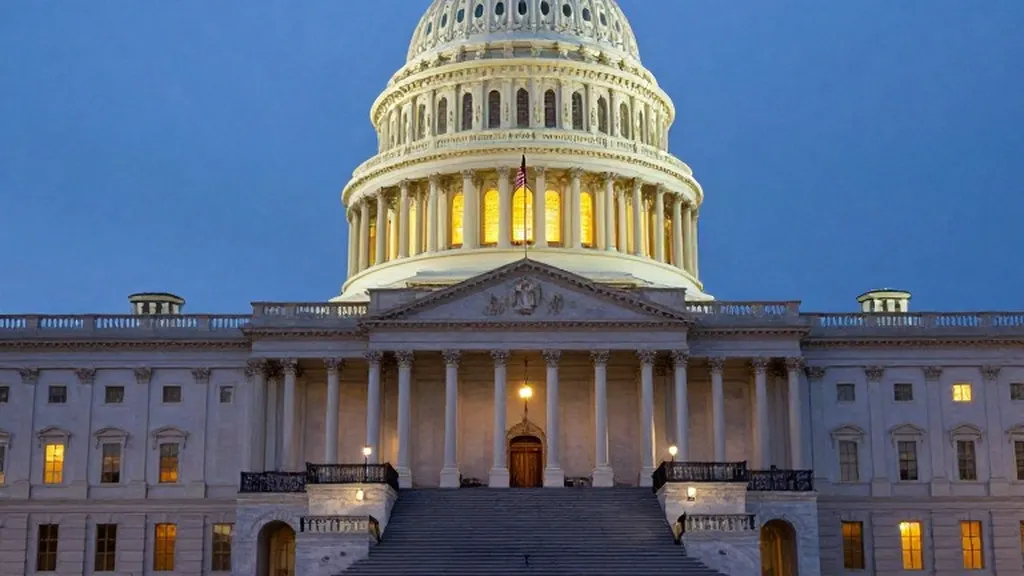
Democratic candidates secured control of both the U.S. Senate and the U.S. House of Representatives in the November 3, 2026 midterm elections, marking a significant shift in power as the party prepares for a new two-year term. The results show Democrats winning 20 of the 35 Senate races decided so far and 248 of the 435 House races decided, with several races still pending. This outcome ends the Republican majorities in both chambers and places Democratic leaders in charge of the legislative agenda and oversight functions for the remainder of President Donald Trump's second term.
The change in control immediately impacts the balance of power in Washington, particularly regarding the executive branch. Democrats now hold the majority in the House, which allows them to direct committee investigations and manage the appropriations process. Virginia Representative Don Beyer noted that the appropriations process beginning in January will be controlled by Democrats, providing a direct mechanism to influence federal spending. This control extends to the ability to name key personnel, such as the general counsel of the House, a role that falls to the Speaker.
Among the priority items for the incoming House leadership is the 100-day agenda, which centers on ramping up congressional oversight. California Representative Jared Huffman, who is expected to lead the Natural Resources Committee, emphasized the need to leverage the committee's investigative authority. He stated that the new majority will use its power to uncover wrongdoing and demand accountability. This approach contrasts with the previous two years, where Democrats had limited influence over federal land and park operations despite voicing opposition to various projects.
Specific targets of this oversight include the physical transformation projects in the District of Columbia, such as the renovation of the Kennedy Center and the construction of a new memorial arch. Huffman said the committee will probe these efforts, which he described as vanity projects that seek to transform public spaces. The new majority also plans to scrutinize the legal disputes surrounding these projects, including the ongoing litigation over the 250-foot arch in Memorial Circle. Federal judges have already intervened in some cases, with one judge blocking the administration from breaking ground for 14 days while a lawsuit is resolved.
Beyond D.C., the new Democratic leadership intends to expand investigations into the Trump family's business deals. The party has identified corruption as a central theme of its platform, reflecting the concerns of voters who cited the issue as crucial to their decision to switch their congressional representatives. Law firms with congressional investigation practices anticipate a surge in work as the new majority issues subpoenas and requests documents. This shift in focus suggests a more aggressive posture toward executive branch actions that were previously checked only by the courts or minority oversight.
The control of the Senate will also affect the confirmation of presidential nominees, a process that becomes more contentious when the two chambers are controlled by different parties. Democrats will have the power to delay or block certain appointments, adding a layer of complexity to the administration's efforts to fill key positions. This dynamic is expected to influence how the White House selects candidates for cabinet positions and other high-level roles, potentially leading to more bipartisan or consensus-driven choices to ensure confirmation.
Looking ahead to 2028, the Democratic Party is using its new control of Congress to build momentum for the next presidential election. Leaders are framing their current oversight efforts as a preview of the checks and balances they intend to impose if they win the White House. The party is also focusing on key state-level victories, such as the gain in the Ohio Senate special election, to strengthen its national narrative. These efforts are part of a broader strategy to present a unified front against the Republican administration in the coming years.
Republican leaders, while acknowledging the election results, are focusing on the areas where they retained control, including the presidency and several governorships. They argue that the new Democratic majority will face significant challenges in passing legislation without presidential support. The party is also highlighting the expenses of the election, with outside groups spending at least $2 billion on Senate races alone. This financial investment underscores the high stakes of the 2026 cycle and the resources each party is willing to commit to maintain or gain power.
The immediate next steps for the new Democratic leadership include organizing committees and setting the legislative calendar for the new Congress. Leaders are meeting to finalize their 100-day agenda and to coordinate with their Senate counterparts. The focus remains on delivering on the promises made during the campaign, particularly regarding economic relief and government accountability. As the new term begins in January, the dynamics of power in Washington will be reshaped, with Democrats holding the keys to the legislative and oversight processes for the final two years of the current administration.