
Alzheimer's Research: Trinity University Secures $200,000 Grant
A new study using baboons aims to detect molecular brain changes 10 to 20 years before symptoms appear in humans.
By Amina Howard ·
Trinity University psychology professor Kimberley Phillips secured a $200,000 grant from the San Antonio Medical Foundation to begin a study on the early detection of Alzheimer’s disease. The research, which starts this month, seeks to identify molecular changes in the brain before clinical symptoms manifest. Phillips, who also serves as the director of neuroscience at Trinity, stated that the funding allows her and her collaborators to test long-held ideas in a laboratory setting.
The study is a proof-of-concept project designed to examine neurological shifts that occur well before a diagnosis. Phillips notes that brain changes associated with the disease appear 10 to 20 years prior to any observable symptoms. By analyzing these early markers, the team hopes to connect internal brain activity to external changes in behavior, gait, and cognition. Phillips explained that earlier detection provides a window to intervene sooner, potentially delaying the onset or progression of the condition.
San Antonio presents a compelling location for this work due to its high rate of dementia. According to the Alzheimer’s Association, approximately 13% of people over 65 in Bexar County live with Alzheimer’s disease or related dementias. This figure exceeds the national average of 12% for the same age group. These progressive disorders slowly degrade memory, thinking skills, and the ability to perform daily tasks.
Phillips will conduct the research at the Southwest National Primate Research Center at the Texas Biomedical Research Institute. The team will use baboons as subjects because the animals share close neurological, biological, and genetic traits with humans. They experience aging and neurodegenerative cognitive decline in a manner similar to human patients. The study will involve recording cognitive performance and measuring real-time molecular and biomarker changes.
The research team includes Eric Vallender, associate director of research at the Texas Biomedical Research Institute, and Adam Salmon, associate director of the Sam and Ann Barshop Institute for Longevity and Aging Studies at UT Health San Antonio. Corinna Ross, director of the Southwest National Primate Research Center, is also a collaborator. Phillips noted that the animals are highly engaged in the testing process, describing the tasks as puzzles that provide a tasty reward.
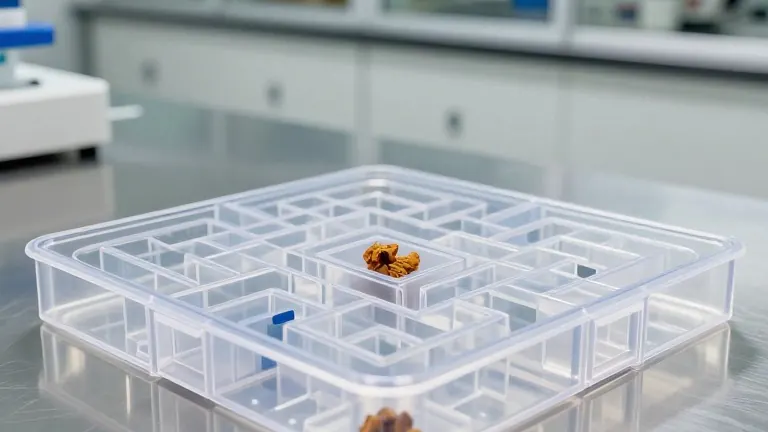
The cognitive testing methodology involves a toy maze with multiple configurations. Scientists place a piece of dried fruit in one compartment and hand the device to a baboon. The animal then manipulates the tool to retrieve the treat. Researchers record the number of challenges the animal completes and the time required for each task. This data allows the team to track changes in ability over time or compare the performance of older baboons against younger peers.
Trinity undergraduate students in psychology and neuroscience will participate in the study. New students joined Phillips’ lab this fall, and a couple of them are expected to assist with the cognitive testing this month. The involvement of undergraduates aligns with Trinity’s educational focus on providing students with access to high-level research opportunities.
Current treatments for Alzheimer’s remain limited, and no cure exists. Phillips identified lifestyle changes as the most effective non-pharmacological tools for managing the disease. These strategies include adopting the Mediterranean diet, exercising regularly, and maintaining a strong social support network. The grant-funded study aims to build the foundation for future applications to the National Institutes of Health and other funding bodies.
Phillips expressed excitement about the opportunity to bring new ideas into the lab. She described the work as a chance to establish early detection tools that could be transformative for human patients. The project represents a step toward validating the research methods before pursuing larger grants for expanded studies.