William Lawrence Defeats Tom Barrett in Michigan's 7th District
The progressive activist secured victory in a swing district that supported President Trump in 2024, capitalizing on local opposition to data centers.
By Andrew Kovalenko ·
William Lawrence defeated incumbent Republican Representative Tom Barrett in Michigan's 7th Congressional District, according to a projection by NBC News. The result marks a rare victory for a progressive candidate in a competitive battleground, a demographic where the party's left flank has historically struggled to secure wins outside of safely blue areas.
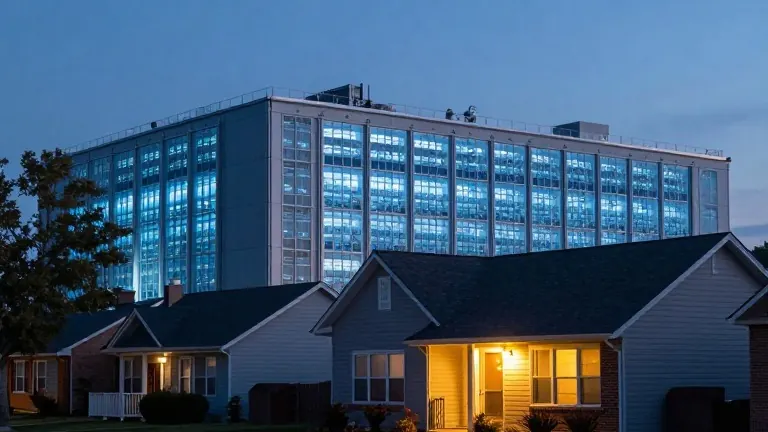
The district previously supported President Donald Trump in the 2024 election and was last represented by Democratic Senator Elissa Slotkin. Barrett had won his initial term in 2024 by a margin of three points. The current contest took place against a backdrop of voter dissatisfaction with the national economy and growing local resistance to the rapid expansion of data center infrastructure.
Lawrence, a co-founder of the Sunrise Movement, centered his campaign on opposing local data center projects and Flock surveillance cameras. He also advocated for strict limitations on the development of artificial intelligence. In a September interview with NBC News, Lawrence described the concentration of power in tech companies and their government allies as a primary threat. He stated, "at this moment in our history [where] the extreme concentration of power may be the single greatest threat that we face, and the place where it is concentrated is in these tech companies and their allies at the very heights of government."
The candidate reached the general ballot after winning a divisive primary with less than 50% of the vote. He faced scrutiny over deleted social media posts from the pandemic era, including one that read "F, isolation and the nuclear family domicile." Lawrence explained that he let his membership in the Democratic Socialists of America lapse in July, noting that partisan labels often divide rather than unite.
Barrett, an Army veteran and former state legislator, argued that Lawrence was too far left for the district. As the political climate shifted, Barrett sought to distance himself from the president. He supported war powers resolutions to limit presidential authority regarding the war with Iran and introduced legislation to prevent the federal government from overriding local decisions on data centers. Lawrence characterized this bill as insufficient for meaningful regulation.
The two candidates clashed during a debate last month regarding artificial intelligence policy. Lawrence called for a pause on AI advancements, citing warnings from whistleblowers. Barrett countered that a pause would strengthen American adversaries and emphasized the need for strong protections. He also publicly disagreed with the president's comment that communities reject data centers to remain backward and poor, stating in September, "I don't agree with it. I think that ultimately this decision has to rest with the people who live in those communities, and I respect that."
More Politics · National news · Report a business · Got a Story?