UN Evidence Protocol: Israel Leads Effort to Standardize Response to Terror-Related Sexual Violence
A new toolkit aimed at training emergency responders is scheduled for international adoption in early 2027, drawing on research from Israel, Germany, Switzerland, and Nigeria.
By Amina Howard ·

The United Nations Office on Drugs and Crime and the Israeli Foreign Ministry have finalized a guide designed to help first responders collect evidence of sexual and gender-based violence at terrorist attack sites. The document, titled the Toolkit for First Emergency Responders in Sexual and Gender Based Violence Cases Linked to Terrorism, is scheduled for adoption by the international community as early as early 2027. It represents the first standardized protocol of its kind for these specific emergency scenarios.
The project is built upon the academic work of Professor Yifat Biton, president of Achva Academic College. Biton heads the RAIA Project, an Israeli organization focused on sexual violence in terrorism, and served in a central role on the Civil Commission on October 7 Crimes by Hamas against Women and Children. Her 2024 report, Challenges in Identifying and Documenting Sexual Crimes Committed During A Terrorist Attack, provided the foundational research for the current toolkit after being presented to diplomats at the United Nations.
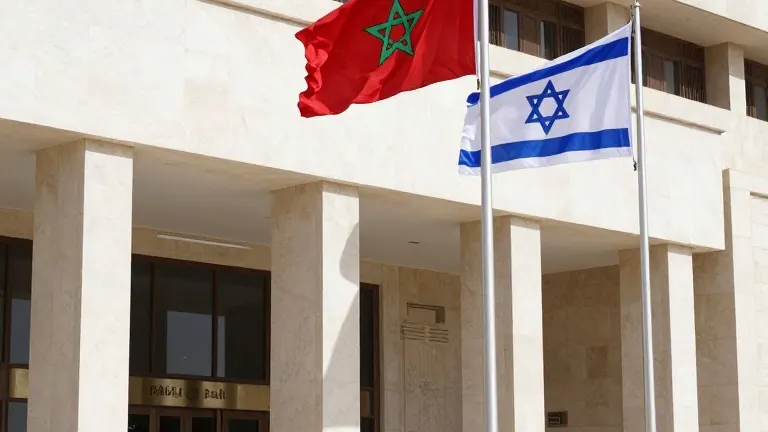
Israel is collaborating with the governments of Germany and Switzerland, along with Nigeria’s National Counter Terrorism Center, to develop the guide. The primary goal is to equip medical personnel, police officers, and volunteer workers with practical methods to preserve evidence that could lead to criminal prosecution. The toolkit also aims to protect the privacy and dignity of survivors during the initial phases of emergency care.
Strategic planning for the initiative included a meeting in Abuja, Nigeria, on October 20 and 21. Sarah Weiss Ma'udi, Israel's special envoy for Women, Peace and Security, represented the country at that gathering. She described the project as a model of international diplomacy where nations share expertise to support victims. Weiss Ma'udi stated that the initiative allows Israel to contribute its specific experience while learning from global partners. She also noted that traveling to Nigeria provided an opportunity to express solidarity with survivors of Boko Haram attacks, following the global response to the October 7 events.
The necessity of the guide was outlined at the first UNODC Expert Group Meeting held in Vienna, Austria, on May 5 and 6, 2026. Roberto Arbitrio, Chief of UNODC’s Terrorism Prevention Branch, emphasized that the best chance to secure unspoiled evidence often rests with the first responders on the scene. He observed that these workers are rarely trained to identify such violence in chaotic environments and are not typically equipped to recognize that these crimes have occurred.
Arbitrio stressed the need to provide frontline workers with the necessary knowledge and tools to document these crimes effectively. He expressed gratitude to the governments of Israel and Switzerland for making the guide possible. The Jerusalem Post reached out to the Ministry of Foreign Affairs for additional comment on the upcoming adoption process.
Humanitarian organizations and UN agencies are expected to utilize the toolkit once it is formally adopted. The guide will serve as a reference for emergency protocols in regions affected by terrorism, standardizing how evidence is handled from the moment of discovery to legal proceedings.