ANC vote share plummets to 31% as South Africans punish party over service failures
The governing party’s share of the vote dropped 15 points in recent local elections, marking its worst performance since ending apartheid.
By Amina Howard ·
South African voters have sharply reduced their support for the African National Congress, with results released Sunday showing the party’s share of the local vote fell to 31 percent. This represents a 15 percentage point drop that reflects growing frustration over basic services such as electricity, water, and waste management.
The ANC, which took power in 1994 under Nelson Mandela, faces what its secretary-general called a "catastrophic outcome." The party conceded it was humbled by the results, describing the loss as its worst performance at the ballot box in three decades. Leadership said the party would enter a period of soul-searching to determine how to win back public trust.
The decline follows a national election two years ago where the ANC lost its parliamentary majority with 40 percent of the vote. At that time, the party viewed the result as a disaster and a chance for self-reflection. However, the latest municipal results indicate that supporters continued to leave the party, with the ANC now part of a coalition government after losing its dominance in 2024.
Critics argue the party failed to convert the end of apartheid into a better standard of living for the poor Black majority. South Africa maintains one of the highest unemployment rates in the world and remains one of the most unequal countries. Nearly 40 percent of the population of 62 million lives below the lower poverty line, a figure cited by the World Bank.
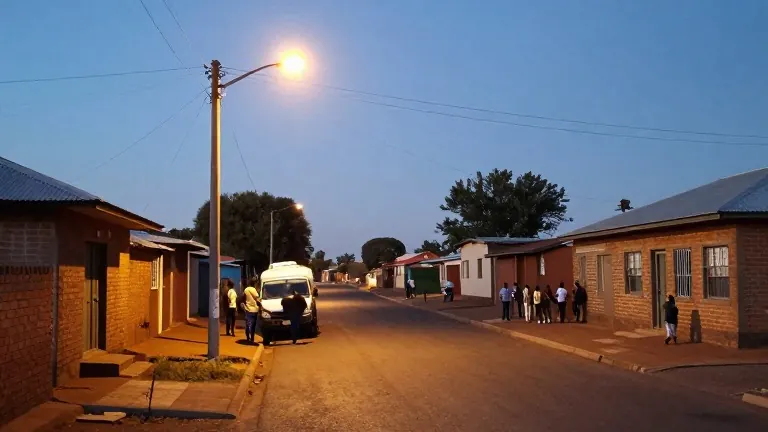
Residents point to specific service failures as the primary driver of the slump. Communities across the nation report frequent power outages, broken water and sewage systems, garbage accumulating on streets, and a housing shortage that leaves millions living in shacks. These issues have become more pressing for voters than the historical context of dismantling nearly a half-century of racist laws.
Corruption scandals continue to damage the party's reputation. A judicial commission investigating the era of former President Jacob Zuma exposed widespread graft. Zuma was pressured to step down in 2018 after a decade of alleged corruption. Current President Cyril Ramaphosa, who promised to clean up the party, is involved in a separate scandal involving more than half a million dollars in cash found hidden in a couch at his ranch.
A new commission is now investigating allegations of collusion between senior police officers, political officials, and businessmen. These allegations include the misappropriation of more than $120 million from a hospital intended to serve a poor community. Internal infighting has also weakened the organization, including a split by Zuma who started a new MK Party.
The political landscape is becoming more fragmented. The white-led Democratic Alliance won 25 percent of the vote in last week's municipal elections. The party stated that this result shows its potential to become South Africa's largest party, a position that would have seemed unlikely just a few years ago.