Pluton system adds mesh modem detection to counter Russian drone relays
The upgrade allows operators to identify signal relay chains used by Gerbera and Shahed drones from up to 70 kilometers away.
By Andrew Kovalenko ·
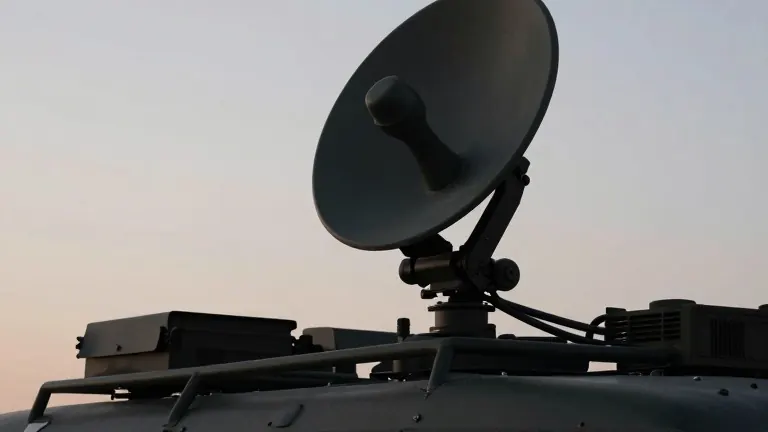
Ukrainian defense firm Infozahyst has updated its Pluton air surveillance system to identify mesh modems embedded in Russian unmanned aerial vehicles. The modification addresses a specific technical challenge in modern aerial warfare, where drones use these devices to create signal relay chains that extend their operational range beyond their native capabilities.
The company stated on Facebook that the Pluton system now supports the detection of these modems, which have become widespread in Russian UAV operations. Ukrainian experts previously identified such hardware on Gerbera, Shahed/Geran, Molniya, and V2U drone models. Infozahyst explained that this improvement expands the system's ability to detect potential threats in a timely manner and enhances users' situational awareness.
In April, Serhii "Flash" Beskrestnov, an adviser to the President of Ukraine and a radio technology expert, reported that Russian Shahed and Gerbera drones equipped with mesh modems were penetrating increasingly deep into Ukrainian territory. The new detection capability allows operators to decode communication channels and match signals against an existing database to identify these relay links.
The developers also introduced remote monitoring capabilities via a virtual private network. This feature allows Pluton to integrate into remote surveillance systems, enabling personnel to receive threat information while remaining outside dangerous areas. The system can be powered by a vehicle's electrical system or a supplied battery, which provides up to four hours of autonomous operation.
According to the manufacturer, Pluton detects drones at distances of up to 70 km, depending on flight altitude. The unit operates across a frequency range of 500 to 6,000 MHz and scans this range approximately 50 times per second. Infozahyst had previously developed a broadband receiver for electronic intelligence systems, forming the basis for this current air surveillance upgrade.