$2 Million Secured to Rescue Surplus Food in San Gabriel Valley
Assemblymember Blanca Rubio won state funding for a regional network that redirects edible food from businesses to local nonprofits and governments.
By Amina Howard ·
California's state legislature recently approved a new funding stream aimed at reducing food waste in the San Gabriel Valley. The money supports a specific program designed to connect different sectors of the local economy to save edible food from being discarded. This initiative targets a common problem where large quantities of usable food end up in landfills rather than on the tables of local residents.
The primary recipient of this financial support is the FRESH SGV program. Assemblymember Blanca Rubio, a Democrat representing West Covina, secured the funds for this specific network. The total amount awarded is $2 million. This capital is intended to strengthen the existing infrastructure that allows food to move efficiently from where it is produced or prepared to where it is needed.
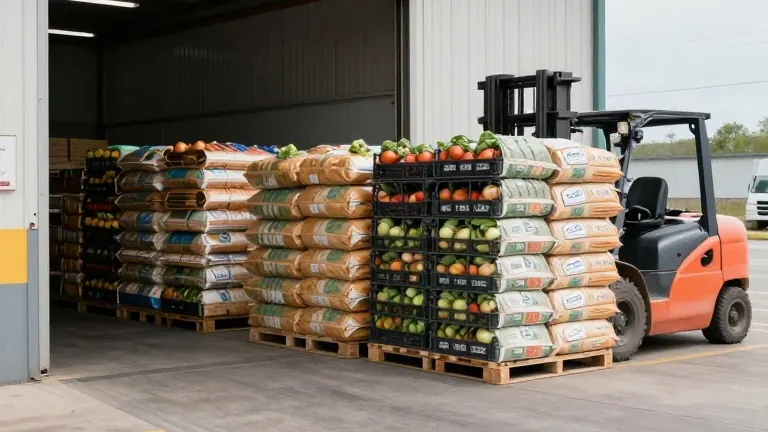
FRESH SGV operates by linking three distinct groups: local governments, private businesses, and nonprofit organizations. The program facilitates the redistribution of excess edible food. Many businesses in the region generate surplus food that is still safe to eat but cannot be sold. Without a coordinated system, this food is often thrown away. The new funding will help streamline these connections and make the process more reliable for all parties involved.
The goal of the program is to ensure that more edible food reaches local communities. By involving governments and businesses alongside nonprofits, the network aims to handle larger volumes of food. This multi-sector approach allows for a more comprehensive response to food waste. The funding will likely support logistics, technology, or personnel needed to manage the flow of goods within the valley.
This investment highlights the legislative focus on regional sustainability efforts. The San Gabriel Valley has been a target for various initiatives aimed at improving local infrastructure and resource management. Rubio's office confirmed that the funding was part of a broader effort to support environmental and social programs in the area. The money will be allocated to FRESH SGV to continue its operations and expand its reach in the coming years.
The program already has a network of partners in the region. With the new state funding, FRESH SGV can reinforce these partnerships and potentially onboard new participants. The involvement of local governments ensures that public resources are aligned with private and nonprofit efforts. This collaboration is designed to make the redistribution of surplus food a standard practice rather than an ad hoc activity. The $2 million grant represents a concrete step toward that goal.