Pipes can burst at 32 degrees, but plumbers say you should act now
Experts recommend wrapping pipes with heat tape or foam covers to prevent freezes before the first cold snap arrives.
By Lucas Navarro ·
Water pipes can crack and burst when temperatures drop below 32 degrees Fahrenheit. Steve Clemente, president and COO at Benjamin Franklin Plumbing, notes that exposure to cold air without adequate insulation causes the ice to expand. This expansion creates enough pressure to split the plumbing. The damage often does not become visible until the ice thaws and water begins to flow again.
Clemente identifies outdoor lines and pipes running through unheated attics or basements as the most vulnerable. Mike Rippel, owner of Quality Pro Services in Middlesex, New Jersey, warns that the ice itself is less dangerous than the physical stress it places on the pipe walls. Homeowners often miss the early warning signs. A faucet that sputters or trickles indicates a blockage. Frost on exposed metal or strange noises from the plumbing also signal a problem.
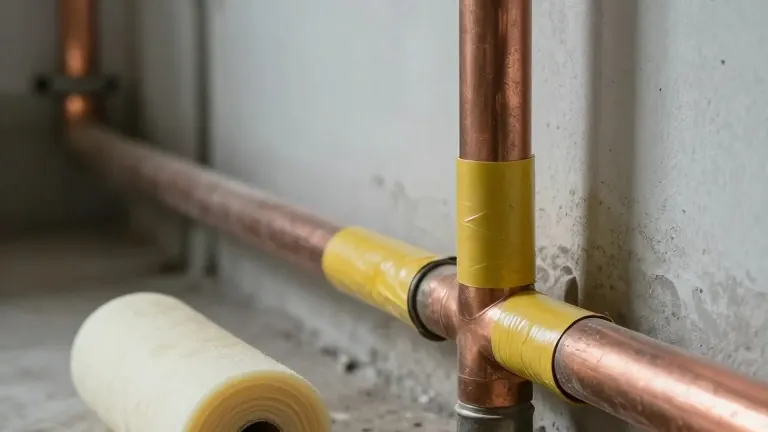
Both experts suggest installing protective gear before the weather turns. Clemente recommends heat tape, which wraps around pipes and valves to reduce heat loss. The product features a pressure-sensitive adhesive and does not require fasteners. Rippel points to foam pipe covers as an alternative. These pre-slit, one-foot black sticks fit pipes ranging from half-inch to three-quarter-inch. They include self-sealing adhesive edges and can be trimmed to size. Rippel notes that homeowners can remove the foam once winter ends.
For exterior spigots, simple covers made of polyester and cotton provide insulation. These items include drawstring straps and reflective strips for visibility in the dark. Clemente also advises using smart sensors on the main water supply pipe. These devices track temperature and water flow. If the water gets too cold or a leak is detected, the sensor can shut off the supply and send an alert to a phone. While homeowners can install these units, Moen recommends hiring a professional.
Beyond buying products, homeowners should perform basic maintenance. Clemente advises disconnecting garden hoses and draining outdoor lines before cold weather arrives. He also recommends keeping the heat on low, even when the house is empty. Rippel suggests letting faucets drip slowly during freezing nights to keep water moving. Before leaving for the day, homeowners should locate their main water shutoff valve. Knowing its location ensures a quick response if a pipe bursts.
If a pipe does freeze, the first step is to stop the water flow. Rippel says homeowners should shut down the incoming water system to prevent flooding when the line thaws. Clemente adds that people should verify the main valve works properly before a crisis occurs. After turning off the water, call a licensed plumber for repairs. If water is near electrical outlets or panels, turn off power to that area. Take photos of the damage and contact your homeowners insurance provider, as many policies cover sudden water damage from burst pipes.