Black Shoppers Turn to BNPL to Cover $21.3 Billion in Holiday Debt
76% of Black consumers live paycheck to paycheck, driving a record $21.3 billion in buy-now, pay-later spending this holiday season.
By Andrew Kovalenko ·
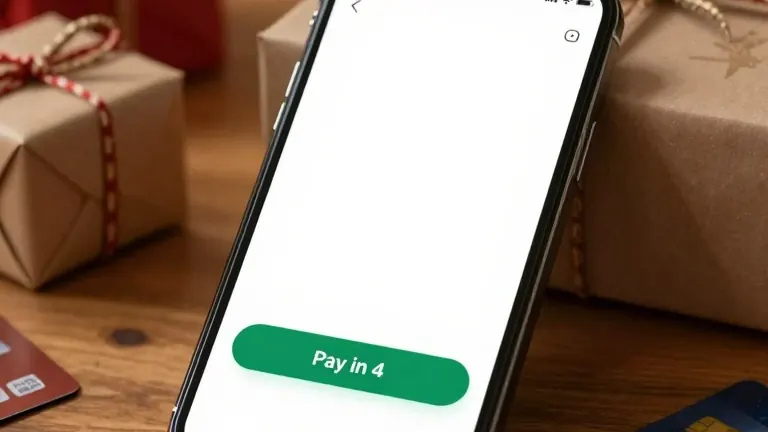
Buy-now, pay-later spending is projected to reach $21.3 billion during this holiday season, a 7% increase over last year. Adobe Analytics estimates this amount will represent nearly 8% of all online holiday purchases. The surge in digital borrowing coincides with rising costs and tighter budgets for many American families.
Financial pressure is particularly acute for Black consumers. Research data from 2024 indicates that 76% of Black consumers live paycheck to paycheck. Half of these consumers report having less than $500 in savings. A 2026 spending outlook from Numerator shows that 78% of Black shoppers find non-essential items harder to afford. Rising prices remain a top financial concern for this demographic.
Shoppers are replacing traditional layaway plans with short-term financing from providers like Affirm and Klarna. Layaway allowed customers to secure items with small deposits and interest-free installments. Retailers have largely phased out these programs in favor of digital checkout options. These platforms require only a soft credit check and split balances into four automated payments deducted every two weeks.
The shift benefits retailers, which receive the full purchase price upfront minus a processing fee. Industry data suggests this checkout option lifts average order values by 30% to 85% compared to standard payment methods. Checkout conversions also increase by 20% to 30% when installment loans are offered. For consumers, the service removes the multi-week wait of layaway and allows immediate possession of goods.
These financing options serve as an alternative gateway for those excluded from mainstream banking. Federal Reserve data shows Black applicants face credit rejections at twice the rate of white applicants. Approximately 10% of Black households lack a checking or savings account, compared to 1.9% of white households. Federal Reserve Board data reveals that Black adults account for 29% of buy-now, pay-later users.
The convenience comes with high potential costs. Missed installments on platforms like Klarna can trigger late fees of up to $7. Extended payment plans may carry annual percentage rates up to 36%. Failed automated debits can cause bank overdrafts. Bankrate data indicates that 94% of checking accounts charge these fees. A Motley Fool Money analysis notes that 25% of Black Americans paid an overdraft fee last year, more than double the 12% national average.
LendingTree data shows that 47% of buy-now, pay-later users made at least one late payment in the past year. This figure rose from 41% the prior year. Fifty-four percent of respondents stated they need the loans to make ends meet. Grocery financing via these platforms has reached 29% of users, up from 14% two years ago. Wells Fargo Agri-Food Institute figures put the cost of a 10-person Thanksgiving dinner at $78.93, while PwC expects average gift spending to stay at $708 per shopper.
More Business · Business Watchdog · Report a business · Got a Story?