COP31 Opens in Antalya Amidst Energy Crisis and Loss of 1.5C Target
Negotiations begin in Turkey as the global temperature goal is considered lost, with the U.S. absent and coal-heavy hosts leading the talks.
By Lucas Navarro ·
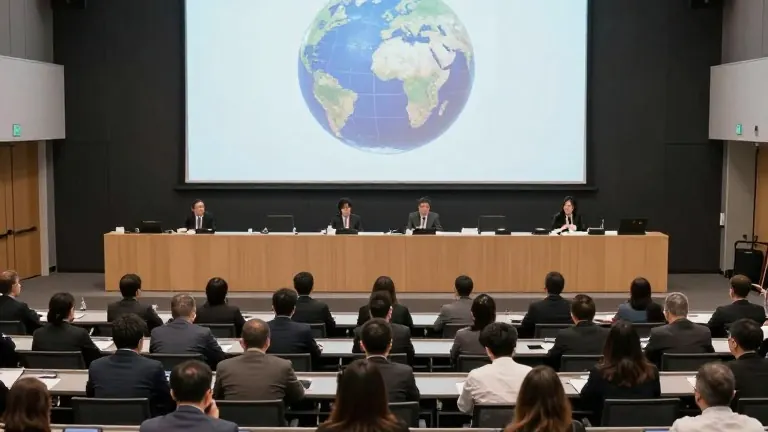
Climate negotiations began Monday in Antalya, Turkey, as world leaders gathered for the UN Conference of the Parties, or COP31. The summit arrives after a year of record-breaking heat in Europe and devastating floods in Nepal, events that underscore the physical impact of rising global temperatures.
Turkish Environment Minister Murat Kurum, who serves as the COP31 president, stated that the 1.5-degree Celsius warming limit set by the 2015 Paris Agreement is no longer realistic. “This is the first COP where it is clear beyond a reasonable doubt that the world will overshoot the 1.5-degree target,” Kurum said. He added that the delegation will not lower its ambition despite the setback.
Kurum has prioritized an “Action Agenda” over setting new targets, focusing on implementing existing commitments. A central component of this agenda is electrification, aiming to increase the share of electricity from renewable sources like wind and solar from 21% to 35% by 2035. The plan also includes reducing methane emissions and building climate-resilient cities.
The economic context for these talks is complicated by the war in Iran, which has closed the Strait of Hormuz. This disruption has raised global prices for gasoline, oil, fertilizers, and pesticides, pushing governments to reconsider energy policies and invest in renewable alternatives. Delegates are scheduled to negotiate from November 9 to 20, with a focus on helping poorer nations adapt to extreme weather and transition away from fossil fuels.
Criticism has arisen regarding the host nations. Turkey and Australia are jointly organizing the summit after a dispute over the host title, with Turkey serving as the official host and Australia leading the negotiations. Both countries face scrutiny for their heavy reliance on coal. Additionally, the United States, the world’s second-largest polluter, is absent from the talks. President Donald Trump withdrew the U.S. from climate negotiations upon taking office for a second term in January 2025.
Previous summits, including COP30 in Brazil and COP29 in Azerbaijan, concluded with limited agreement on emissions reductions and failed to mention fossil fuels in their final texts. Simon Stiell, the UN Climate Change Executive Secretary, defended the ongoing process, stating, “No single COP is a silver bullet that can stop climate change overnight.” He noted that every recent summit has made essential progress and expressed confidence that COP31 will follow suit.
The current session marks a departure from recent history where final agreements explicitly called for a transition away from fossil fuels, as seen at COP28 in Dubai. With the 1.5C threshold considered breached, the focus shifts to immediate action plans and financial support for developing economies.