Space Rivalry: Ukraine Lists 49 Firms Behind Russia's New Satellite Network
The Defense Intelligence of Ukraine identified key contractors and military leaders involved in the Rassvet project, which aims to challenge Starlink.
By Andrew Kovalenko ·
The Defense Intelligence of Ukraine (DIU) has published a list of 49 Russian and Belarusian entities working on a new satellite communications system.
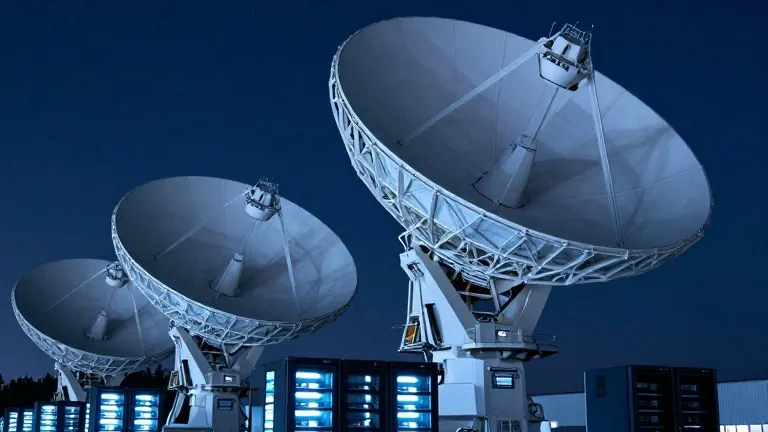
The project, known as Rassvet, is designed to serve as a Russian alternative to the Starlink network. The DIU describes the system as a constellation of low-Earth orbit satellites connected to ground-based control infrastructure, gateway stations, and user terminals for both fixed and mobile facilities. The agency stated that the network is primarily intended for military communications rather than civilian use.
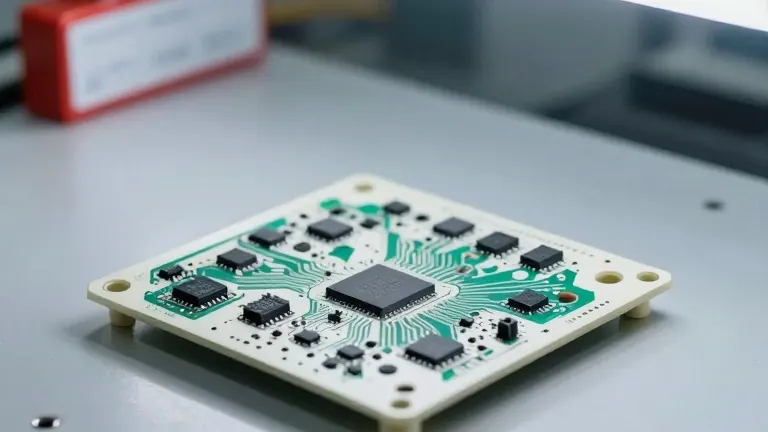
Bureau 1440, a limited liability company within the ICS Holding IT group, acts as the main contractor for the project. Other firms in that group manufacture solar panels, user terminals, printed circuit boards, and electronic modules. Roscosmos, Russia's state space corporation, is responsible for developing launch vehicles, upper stages, and electric propulsion engines. Dmitry Bakanov, the head of Roscosmos, directly oversees the initiative. He previously led the Gonets Satellite System, which had a joint venture with the UK's OneWeb to provide low-Earth-orbit services for the Russian market.
Entities linked to the Russian Defense Ministry handle the operation of the spaceport and the coordination of project participants. Their long-term goal is to integrate the system into military communications infrastructure. VTB, a major Russian bank, is listed among the investors in the project. The DIU noted that 23 of the 49 involved companies have not yet been sanctioned by the coalition, including Roscosmos.
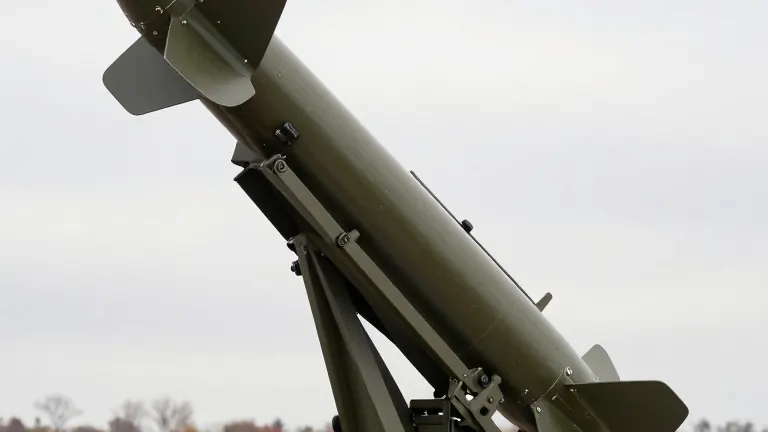
The intelligence agency outlined specific military applications for the network. Russia plans to use the satellites for strategic communications, command and control, and controlling strike platforms. The system will equip command posts and military vehicles with user terminals and support the operation of unmanned systems. The DIU also reported that Russia intends to integrate Rassvet satellites into a space-based system that provides targeting data for missile systems. Command vehicles for the Iskander-M short-range ballistic missile system are expected to receive user terminals.
The planned satellite coverage focuses on the territory of Ukraine and the European Union. The DIU warned that once sufficient coverage is achieved, Russia could utilize the system for hybrid acts of aggression against other countries. To counter this, the agency called for sanctions against the involved companies and restrictions on the supply of components, equipment, and software.
Russia is reportedly ahead of its schedule for deployment. In March 2026, 16 satellites were placed into orbit. The current plan expands the constellation to 292 satellites by 2027 and 924 by 2035.