Chefs Recommend Instant Read Thermometers for Home Cooks
Two culinary experts advise shoppers to select digital devices with slim probes and fast response times to ensure accurate meat temperatures without excessive cost.
By Andrew Kovalenko ·
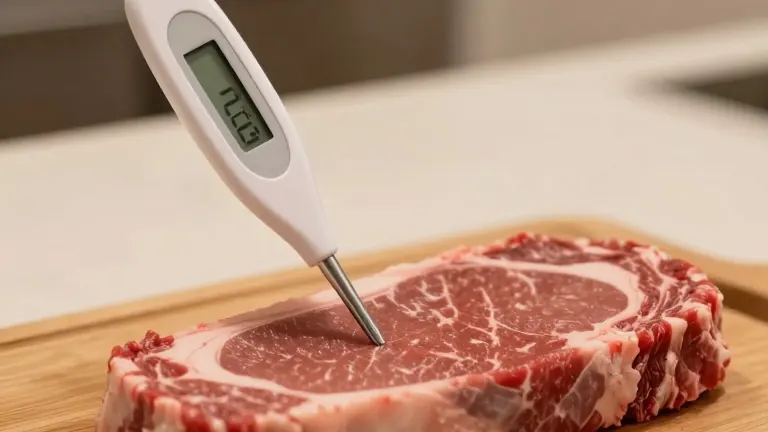
Under twenty dollars is the price point that chef Lauren Allen identifies for a quality meat thermometer. Allen, who owns Lauren Allen Dinners, argues that the tool solves a common problem in home kitchens where meat is either overcooked or raw. She notes that the device allows cooks to check internal temperature without cutting into the protein, a process that often releases juices and dries out the food. According to Allen, this method ensures the meat remains juicy and reaches the specific level of doneness desired by the cook.
Chefs advise home cooks to prioritize digital instant read thermometers over analog or probe types. Kevin Gillespie, a chef with multiple James Beard nominations and a contributor to MeatEater, states that digital options are quick and accurate. He notes that these devices are faultless provided the user remembers to replace the batteries. Gillespie explains that instant read tools are preferred because they are easier to use than probe thermometers, which remain in the meat during the entire cooking process. The experts recommend removing the instant read device immediately after taking a reading to prevent the plastic casing from melting.
Shoppers should look for specific features to ensure accuracy and convenience. Allen recommends selecting a thermometer with a skinny probe to minimize the hole left in the meat, which reduces juice loss. She also advises choosing a device capable of withstanding temperatures up to 250 degrees Fahrenheit to handle ovens, stovetops, and grills. Retailers such as Amazon, Walmart, and Target sell top-rated models that often feature backlit LCD screens for visibility in dim lighting. Many of these units include magnetic backs for fridge storage and read times ranging from two to five seconds.
Proper usage requires placing the thermometer in the middle and thickest part of the protein while avoiding bone. Allen warns that checking the thinnest area may indicate that section is cooked while the rest remains undercooked. Once a reading is taken, the device should be wiped down with soap and water, though the entire unit should not be submerged despite some waterproof claims. The experts provide specific temperature benchmarks for various proteins to guide home cooks.
Chicken and poultry require an internal temperature of at least 165 degrees Fahrenheit to prevent bacterial illness. For pork, Allen suggests 140 degrees Fahrenheit for organic cuts, while Gillespie recommends 150 degrees Fahrenheit. Beef preparation depends on preference, with medium rare steaks cooked to 125 degrees Fahrenheit and well done steaks reaching 165 degrees Fahrenheit. Fish temperatures vary by species, with salmon generally cooked to 145 degrees Fahrenheit and snapper around 130 degrees Fahrenheit.
More Business · Business Watchdog · Report a business · Got a Story?